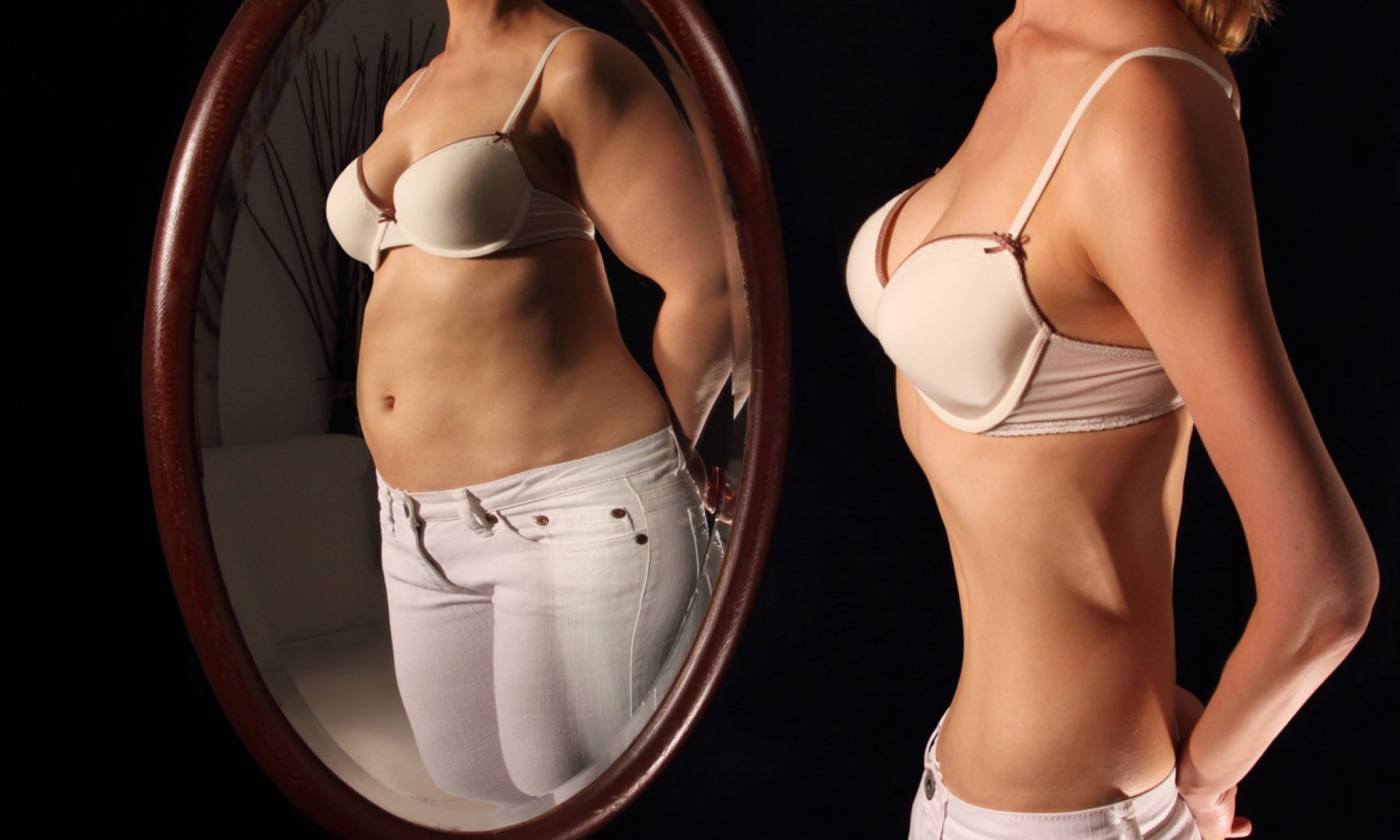

The glossy covers of fashion magazines tell a story of beauty, success, and perfection. Supermodels are often admired as icons of elegance, strength, and confidence. Yet behind the flawless images lies a reality that is far less glamorous. Addiction and mental health struggles are deeply present in the fashion industry, though they often remain hidden from public view. The journey from photo shoots to private battles with cravings is one that many models know all too well.
The Pressure Behind the Perfect Image
The fashion industry is fast-paced and demanding. Models are expected to maintain strict body standards, meet endless deadlines, and project confidence under constant scrutiny. This pressure can create a dangerous cycle where substances are used to cope. Stimulants may be taken to suppress appetite or boost energy, while alcohol or sedatives are used to quiet anxiety and stress. What may begin as occasional use often grows into dependency, turning a dream career into a hidden struggle with addiction.
Why Addiction Often Stays Hidden
For supermodels, image is everything. The fear of being labeled as unreliable or unprofessional can keep many from seeking help. Careers depend on maintaining perfection, and any sign of vulnerability may be seen as weakness in a competitive industry. This stigma creates silence, isolating models who are already dealing with demanding lifestyles and emotional strain.
The Link Between Mental Health and Substance Use
Addiction rarely exists in isolation. Many in the fashion industry also face anxiety, depression, or unresolved trauma. The connection between mental health and substance use is strong, and ignoring one issue often makes the other worse. Effective recovery must address both challenges together, offering a path that goes beyond temporary solutions and toward lasting healing.
A Holistic Path to Recovery
Recovery is not just about removing substances. It is about rebuilding a sense of self, rediscovering purpose, and creating healthy coping strategies. At Modeling Central, treatment is designed to support the whole person.
Inpatient and Outpatient Treatment Options
Inpatient programs provide intensive care in a structured, supportive environment, ideal for individuals who need round-the-clock guidance. Outpatient programs, on the other hand, allow models to maintain their careers and responsibilities while still receiving consistent therapy and support. Both paths are personalized, ensuring that treatment fits the individual’s unique needs and lifestyle.
Faith-Based and Individualized Support
Faith-based and holistic approaches can play a powerful role in recovery, offering spiritual grounding and emotional renewal. By combining evidence-based therapy with individualized care, clients are given tools to heal both body and spirit. This integrated approach acknowledges the human being behind the supermodel and empowers them to find strength beyond their career.
Breaking Free and Moving Forward
The hidden addiction of a supermodel does not have to define their life. Recovery is possible, and it begins with the courage to reach out for help. No career, photo shoot, or public expectation is worth more than personal health and peace of mind.
If you or someone you know is struggling with addiction in the fashion industry, remember that compassionate and professional support is available. At Modeling Central, healing is approached with care, dignity, and respect. From covers to cravings, the journey may be difficult, but with the right treatment and guidance, recovery is within reach.