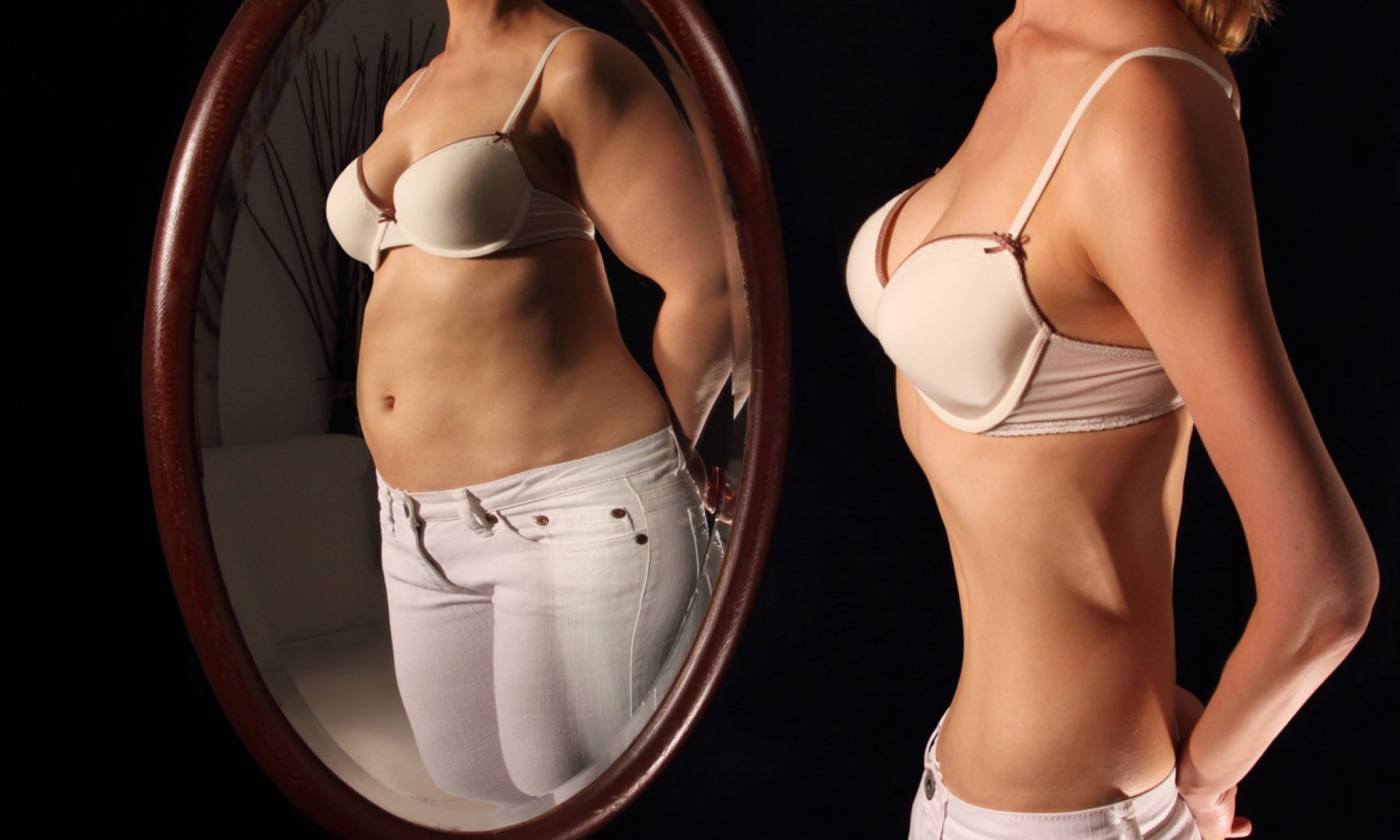
To the outside world, a supermodel’s life looks like a dream. From international runways to magazine covers, their faces are seen as symbols of beauty, confidence, and success. Yet behind the cameras and bright lights, many models live a very different reality. Addiction is a silent struggle in the fashion industry, and even the most admired faces can battle substance abuse. “Fallen Angel” is not a story of weakness, but one of hidden pain, resilience, and the possibility of recovery.
The Hidden Struggle of a Supermodel
Models live under extraordinary pressure. Every aspect of their appearance is scrutinized, and their careers depend on staying at the top of a competitive industry. Long workdays, global travel, and constant judgment create stress and isolation. Substances often become a way to cope. Stimulants may be used to stay slim or energized, while alcohol and sedatives are taken to quiet nerves before big shows. What begins as an occasional escape can spiral into dependency.
Why Addiction Often Goes Unnoticed
Addiction is especially difficult to detect in the fashion industry. Models are experts at projecting confidence, even when they are struggling inside. The fear of losing contracts or damaging reputations keeps many from asking for help. Instead, they suffer in silence, hiding their pain behind the very image of perfection that made them famous.
The Connection Between Mental Health and Substance Use
Substance abuse rarely occurs alone. Anxiety, depression, and unresolved trauma are common among those in the fashion world. These issues often fuel addiction, creating a cycle that is hard to break without professional help. Addressing both addiction and mental health together is essential for real healing. Integrated treatment can help individuals build coping skills, restore confidence, and rediscover balance.
Finding Hope Through Holistic Healing
Recovery is not about erasing the past. It is about learning to heal the whole person—mind, body, and spirit. At Modeling Central, treatment programs are designed with this philosophy in mind.
Inpatient and Outpatient Treatment Options
Inpatient care provides a safe, structured environment for those who need intensive support. With 24-hour guidance and medical supervision, clients can step away from the chaos of their careers to focus fully on recovery. Outpatient care, on the other hand, offers flexibility, allowing clients to continue working while attending therapy and support sessions. Both paths are personalized to meet the individual’s unique needs.
Faith-Based and Individualized Approaches
For some, faith is a powerful part of recovery. Faith-based programs offer spiritual grounding, while individualized treatment ensures that every client receives care tailored to their personal journey. Holistic approaches also integrate healthy lifestyle practices such as nutrition, exercise, and mindfulness, helping individuals build a foundation for long-term sobriety.
Rising Again After the Fall
The story of a “fallen angel” is not about failure, but about the strength it takes to rise again. Addiction may be part of a model’s past, but it does not have to define their future. With compassionate care, professional treatment, and ongoing support, recovery is possible.
If you or someone you know is struggling with addiction in the fashion industry, now is the time to reach out. At Modeling Central, healing is guided by respect, dignity, and hope. Behind every famous face is a human being who deserves to live free from addiction. Taking the first step toward recovery could be the most powerful decision you ever make.