
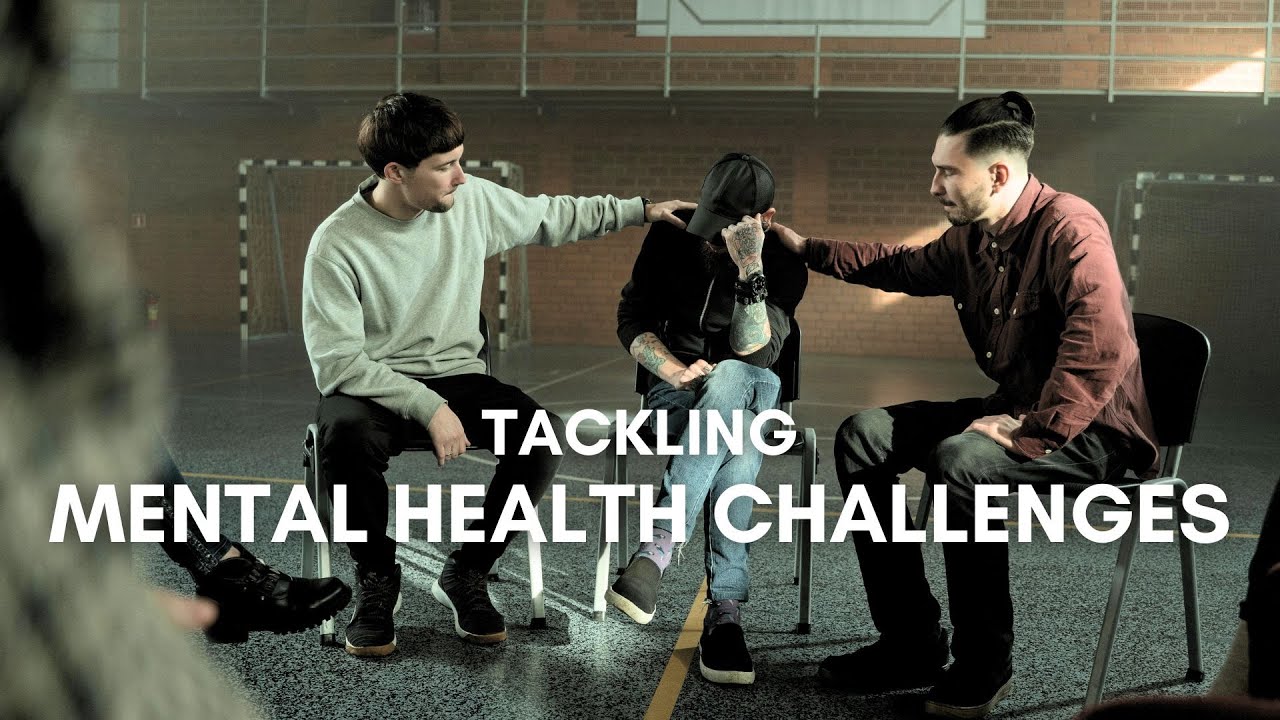
The modeling industry often celebrates beauty, confidence, and success, yet behind the scenes many models quietly struggle with mental health challenges that few people see. Constant scrutiny, pressure to maintain a certain image, and an unpredictable career path can take a serious toll on emotional well being. For some, these challenges can lead to anxiety, depression, disordered eating, or substance use. Understanding the unique mental health needs of models is the first step toward meaningful healing and long term recovery.
Why Models Face Unique Mental Health Pressures
Modeling is not just a job. It is an identity driven profession where appearance, performance, and public perception are closely tied to self worth. This dynamic can make models especially vulnerable to mental health concerns.
Unrealistic Standards and Constant Evaluation
Models are evaluated daily by agencies, clients, and audiences. Weight, body shape, skin, and overall appearance are often scrutinized in ways that can feel personal and relentless. Over time, this environment can contribute to low self esteem, chronic stress, and distorted body image.
Instability and Loss of Control
Many models face inconsistent schedules, financial uncertainty, and limited control over bookings or career longevity. This lack of stability can trigger anxiety and feelings of helplessness, especially for those who rely on modeling as their primary source of income or identity.
The Link Between Mental Health and Addiction in Modeling
Mental health challenges and substance use often overlap. Models may turn to substances to cope with stress, manage anxiety, suppress appetite, or maintain energy during demanding schedules. While these behaviors may begin as coping strategies, they can quickly escalate into addiction.
Effective treatment must address both mental health and substance use together. Treating one without the other often leaves underlying issues unresolved and increases the risk of relapse.
Recognizing When Support Is Needed
Mental health struggles can be easy to hide in an industry that rewards perfection. However, there are signs that professional support may be necessary.
Common Warning Signs
- Persistent anxiety or panic
- Depression or emotional numbness
- Disordered eating patterns
- Reliance on substances to cope or perform
- Isolation from friends, family, or support systems
- Difficulty sleeping or concentrating
Recognizing these signs early can make a significant difference in recovery outcomes.
Personalized Treatment for Models
Recovery is most effective when treatment is tailored to the individual. Models benefit from care plans that acknowledge both the demands of their profession and their personal experiences.
Inpatient and Outpatient Care Options
Inpatient treatment offers a structured, supportive environment where individuals can focus fully on healing. This option is often helpful for those facing severe mental health symptoms or addiction.
Outpatient programs provide flexibility for models who need ongoing support while maintaining work or personal responsibilities. These programs often include therapy, mental health care, and relapse prevention planning.
Holistic and Faith Based Healing
Holistic treatment addresses the whole person, not just symptoms. This may include mindfulness practices, nutritional support, movement therapies, and stress management techniques. For those who value spirituality, faith based approaches can provide comfort, purpose, and renewed hope during recovery.
Individualized care ensures that each person receives support that aligns with their values, beliefs, and long term goals.
Building Resilience Beyond the Industry
Recovery is not about leaving the modeling world behind. It is about building resilience, self awareness, and healthy coping skills that allow individuals to thrive, both personally and professionally.
Ongoing therapy, peer support, and mental health education help models develop boundaries, manage stress, and maintain balance. These tools support long term wellness and reduce the risk of returning to harmful patterns.
A Healthier Path Forward
Mental health challenges in modeling are real, but they do not have to define the future. With compassionate, professional care and personalized treatment, healing is possible. Whether you are struggling with anxiety, depression, addiction, or all three, support is available.
Taking the first step toward help can feel intimidating, but it is also an act of strength. Reaching out to a treatment provider that understands the unique pressures of the modeling industry can open the door to lasting recovery, renewed confidence, and a healthier life beyond the catwalk.