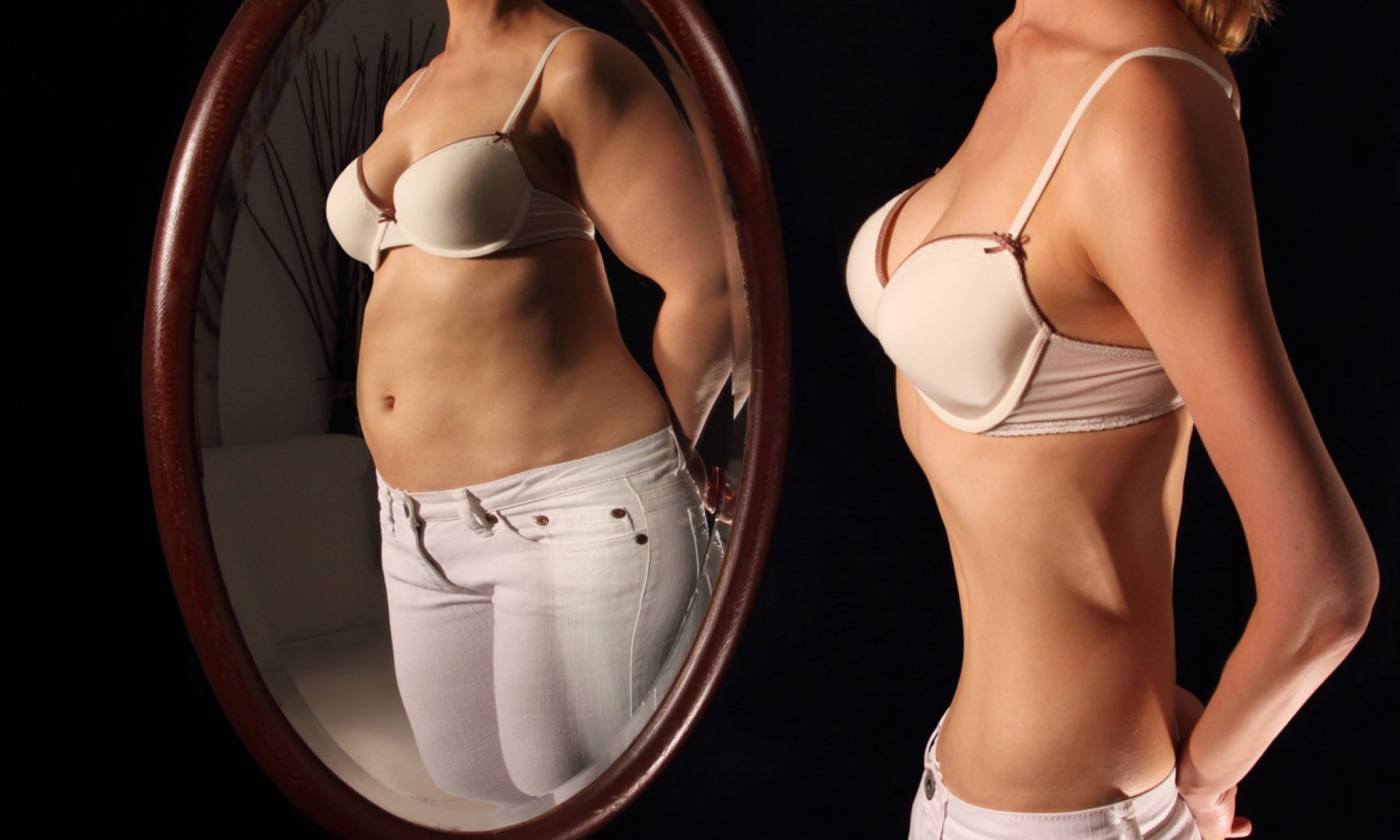

The modeling industry often projects glamour, beauty, and success, but beneath the spotlight, many models face intense mental and emotional pressures. For some, these pressures contribute to co‑occurring mental health challenges alongside substance use, creating complex obstacles to well-being. Tailored recovery programs that address both addiction and mental health are essential for models seeking lasting healing and stability. Understanding how these programs work can help models and their loved ones take meaningful steps toward recovery.
The Unique Pressures Facing Models
Models operate in a high-stakes environment where appearance, performance, and public perception often define success. These pressures create vulnerabilities that are not always visible from the outside.
Constant Evaluation and Emotional Strain
Models are frequently judged on body shape, weight, energy, and overall image. This constant scrutiny can lead to low self-esteem, anxiety, and depression. Some models turn to substances as a coping mechanism to manage stress, stay alert during long schedules, or suppress appetite. Without early intervention, these behaviors can escalate into addiction.
Career Instability and Isolation
Modeling careers are often unpredictable, with fluctuating bookings, irregular travel, and high competition. The instability and isolation that can result may exacerbate mental health struggles, making individuals more susceptible to substance use and emotional distress.
Understanding Co‑Occurring Disorders
Co‑occurring disorders refer to the simultaneous presence of mental health conditions, such as depression, anxiety, or trauma, alongside substance use disorders. In the modeling industry, these dual challenges are particularly common due to the pressures outlined above.
Treating addiction without addressing underlying mental health concerns often leads to incomplete recovery and higher relapse risk. Tailored programs that focus on both areas provide a more comprehensive and effective approach.
Signs That Tailored Support May Be Needed
Early recognition of co‑occurring disorders can make a significant difference in recovery outcomes. Warning signs may include:
- Frequent mood swings or unexplained irritability
- Persistent anxiety or depressive symptoms
- Reliance on substances to manage stress or emotional discomfort
- Withdrawal from social or professional connections
- Physical health issues, such as fatigue or insomnia
Identifying these patterns is an important step toward seeking professional help.
How Tailored Recovery Programs Help Models
Models benefit from programs that recognize the unique challenges of the fashion industry and provide individualized care.
Inpatient and Outpatient Treatment Options
Inpatient care offers a structured and supportive environment for individuals requiring intensive supervision, therapy, and medical monitoring. Outpatient programs allow flexibility for models to continue professional responsibilities while receiving consistent therapy, group support, and relapse prevention education. Both approaches can be customized to meet each individual’s needs.
Holistic and Faith-Based Approaches
Holistic treatment addresses the mind, body, and spirit, offering tools that help individuals regain balance and resilience. This may include mindfulness exercises, movement therapy, nutritional guidance, and stress management techniques. Faith-based programs provide spiritual support and a sense of purpose, which can be especially valuable for those seeking connection and hope during recovery.
Individualized Care Plans
Each model’s experience is unique. Personalized treatment plans ensure that therapy, counseling, and recovery support align with the individual’s personal values, mental health needs, and career considerations. This approach fosters engagement, accountability, and long-term success.
Building Sustainable Wellness
Recovery extends beyond abstinence from substances. It involves developing coping strategies, emotional regulation skills, and self-awareness that support mental health and career sustainability. Ongoing therapy, peer support, and mentorship can empower models to maintain balance, set boundaries, and navigate industry pressures with confidence.
Taking the Next Step Toward Healing
Co‑occurring mental health and substance use challenges in the modeling industry are serious but treatable. Tailored recovery programs offer models a path to holistic healing, stability, and renewed purpose. Seeking help is a courageous and empowering step. If you or someone you love is facing these challenges, reaching out to a qualified treatment provider can open the door to lasting recovery and a healthier life beyond the gloss and glamour of the runway.