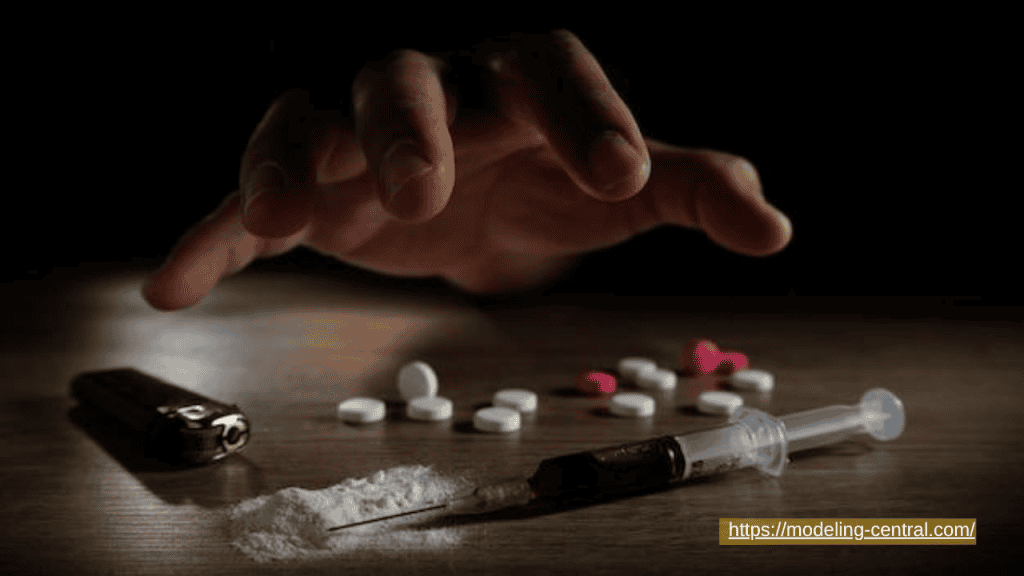
When the Spotlight Fades: How Models Fall into Addiction & Find Recovery

The modeling world is often portrayed as a dream of beauty, success, and endless glamour. Behind the flashing cameras and flawless faces, however, lies a reality many never see: the struggle with addiction. For some models, the constant pressure to perform, stay relevant, and meet impossible standards becomes overwhelming. When the spotlight fades and the applause stops, they are left facing the hidden pain that fame can’t fix. Understanding how these struggles begin — and how healing can happen — is the first step toward recovery.

The Hidden Cost of the Fashion Industry

Modeling is not just about looking perfect; it is about maintaining that image under intense scrutiny. Every photoshoot, runway show, and campaign adds to the pressure to stay thin, energetic, and emotionally composed. Many models experience anxiety, exhaustion, and self-doubt. Substances like stimulants, prescription pills, or alcohol can seem like quick fixes to stay focused or calm, but over time, they create dependency.

Perfection and Performance Pressure

In an industry that demands flawlessness, the fear of failure runs deep. Models often feel that showing weakness will cost them work or reputation. This mindset keeps many from speaking out or asking for help when they need it most. The culture of silence allows addiction to grow unchecked, transforming the pursuit of success into a cycle of self-destruction.

The Link Between Mental Health and Addiction

Substance use often develops alongside underlying mental health struggles such as anxiety, depression, or trauma. The emotional toll of rejection, competition, and public criticism can worsen these conditions. Without proper mental health support, substances become a coping mechanism rather than a solution.

Breaking the Cycle Through Compassionate Care

At Modeling Central, recovery starts by addressing the root causes of addiction. Compassionate, individualized treatment combines medical, psychological, and spiritual support. Each client receives a plan designed to meet their unique needs, ensuring a safe and structured path to healing.

Inpatient and Outpatient Recovery Options

Inpatient Treatment

For those requiring focused and intensive support, inpatient care provides a structured environment free from distractions and triggers. With 24-hour supervision, therapy, and holistic activities, clients can fully dedicate themselves to recovery while rebuilding emotional strength and self-awareness.

Outpatient Treatment

Outpatient care offers flexibility for models balancing recovery with ongoing commitments. This option allows clients to continue therapy and support sessions while gradually reintegrating into professional or personal responsibilities. Both inpatient and outpatient programs aim to empower individuals to maintain lasting recovery and stability.

Holistic Healing for the Whole Person

Recovery is more than breaking free from addiction; it’s about restoring balance to mind, body, and spirit. Holistic approaches at Modeling Central may include mindfulness practices, nutrition therapy, fitness, and faith-based counseling. This integrative care helps clients rediscover self-worth, build resilience, and find peace beyond the pressures of the industry.

Finding the Strength to Step Forward

The world often celebrates success but overlooks the personal battles behind it. Addiction may have begun in silence, but recovery thrives in connection and compassion. Seeking help is not a sign of weakness but of courage. At Modeling Central, dedicated professionals walk beside each client, guiding them toward freedom, healing, and renewed purpose.

When the spotlight fades, there is still light ahead — the light of hope, recovery, and transformation. If you or someone you know is struggling with addiction in the modeling industry, reach out today. Healing begins with one brave step.
Photoshoots and Pills: The Price of Perfection in the Fashion World

The fashion industry is celebrated for its beauty, creativity, and glamour. From high-profile photoshoots to international runways, models are often viewed as icons of perfection. However, behind the camera and beyond the bright lights, many face a hidden reality: addiction. The constant pressure to maintain flawless appearances and meet unrelenting industry standards can lead some models to rely on substances to cope. Understanding this struggle is vital for anyone seeking help or supporting a loved one in the industry.

The Pressure to Maintain Perfection

Models operate in an environment where physical appearance is constantly judged. Long hours, intense travel schedules, and strict body standards create an atmosphere of stress and anxiety. For some, stimulants are used to maintain energy and manage weight, while alcohol or prescription medications provide temporary relief from emotional strain. Over time, these coping mechanisms can develop into addiction, affecting both personal health and professional life.

The Hidden Costs of Fame

The pressure of fame and recognition can be intoxicating yet isolating. Constant scrutiny, comparisons, and the expectation to always appear confident can exacerbate feelings of inadequacy. Many models feel they must hide their struggles, fearing the loss of contracts or damage to their reputation. This secrecy can make it difficult to seek help, allowing addiction to silently progress.

Mental Health and Substance Use

Addiction often coexists with mental health challenges such as anxiety, depression, or unresolved trauma. These underlying issues can fuel substance use, creating a cycle that is difficult to break without professional intervention. Holistic recovery programs address both addiction and mental health simultaneously, helping clients develop healthier coping mechanisms and emotional resilience.

Integrated Treatment Approaches

At Modeling Central, treatment is tailored to the individual. Holistic approaches incorporate therapy, mindfulness, nutrition, physical activity, and spiritual guidance. Faith-based programs provide additional support for clients seeking spiritual growth as part of recovery. Every treatment plan is personalized, ensuring that models receive care that addresses their unique challenges and goals.

Inpatient and Outpatient Care

Recovery requires varying levels of support depending on the severity of addiction and personal circumstances.

Inpatient Care

Inpatient programs provide a structured environment with 24-hour supervision. These programs are ideal for individuals facing severe addiction or co-occurring mental health conditions. Clients receive comprehensive care, including medical support, counseling, and therapeutic interventions.

Outpatient Care

Outpatient programs offer flexibility for those balancing careers or personal commitments. Clients attend therapy sessions, support groups, and skill-building programs while maintaining daily responsibilities. This approach allows for a smooth transition back into everyday life while sustaining recovery progress.

Reclaiming Life Beyond Addiction

Addiction does not have to define a model’s career or personal life. Seeking help is a courageous step toward regaining control, building emotional strength, and achieving long-term wellness. At Modeling Central, compassionate care and professional guidance help individuals navigate recovery safely and effectively.

The cost of perfection in the fashion world is high, but the price of ignoring addiction is far greater. Healing, balance, and renewed purpose are possible with the right support. If you or someone you know is struggling with substance use in the modeling industry, reaching out for help today can be the first step toward a healthier, brighter future.

Addicted to Applause: How the Spotlight Fuels Substance Abuse in Modeling

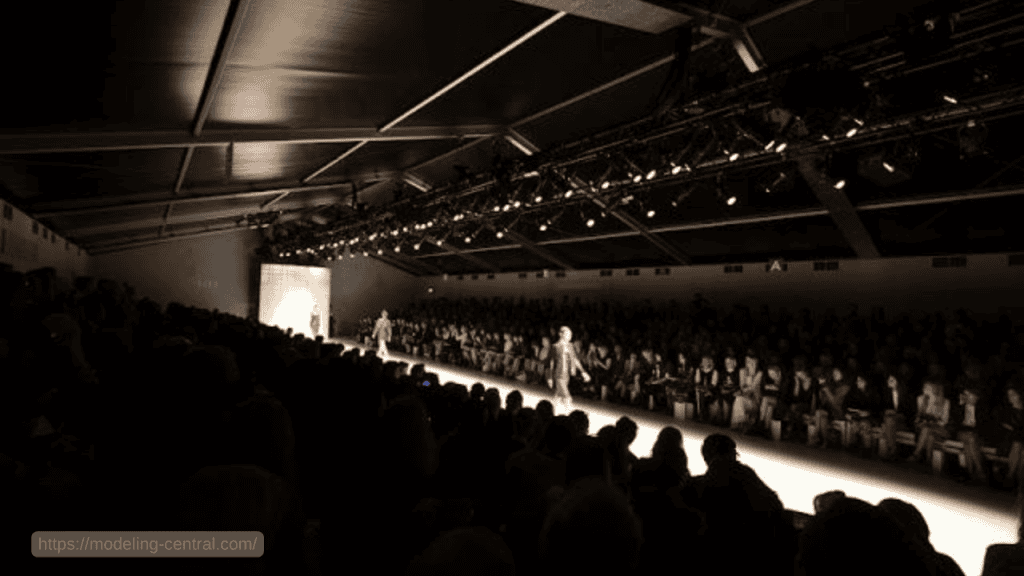
The flashing cameras, runway lights, and roaring crowds can make the life of a model seem like a dream come true. But behind the glamour and applause lies a hidden reality that few discuss openly. The pressure to stay perfect, the constant competition, and the unrelenting demand to maintain an image of confidence can drive many in the modeling industry toward unhealthy coping mechanisms. For some, that coping comes in the form of drugs or alcohol, leading to a dangerous cycle of dependence.

The Pressure to Perform and the Lure of Escape

The modeling world thrives on image and perception. Models are expected to embody beauty, grace, and confidence at all times. But maintaining that standard can take an emotional toll. The fear of rejection, public scrutiny, and the instability of the profession create a constant sense of pressure. To escape these overwhelming emotions, many turn to substances that promise temporary relief.

The Role of Validation and Fame

In an industry built on external validation, applause can become addictive. The attention from fans, photographers, and designers can feel intoxicating, but when that spotlight fades, feelings of emptiness or self-doubt often emerge. Drugs and alcohol can become a way to fill that void or prolong the high that fame brings. Unfortunately, what starts as a form of relief or celebration can quickly spiral into dependency.

The Link Between Substance Abuse and Mental Health

Addiction rarely exists in isolation. Many models who struggle with substance use also battle depression, anxiety, or trauma. The emotional demands of the modeling lifestyle, combined with physical exhaustion and unstable routines, often intensify these conditions. Without healthy coping mechanisms, individuals may use substances to numb emotional pain, suppress stress, or mask insecurities.

Understanding Dual Diagnosis

When addiction and mental health disorders occur together, it is known as a dual diagnosis. Treating one without addressing the other often leads to relapse. At Modeling Central, treatment focuses on healing both the mind and body through an integrated approach that blends therapy, wellness practices, and medical care. This comprehensive method allows clients to understand the root causes of their addiction and build lasting emotional strength.

Holistic and Faith-Based Healing

True recovery goes beyond detox. It involves rediscovering purpose, balance, and self-worth. Holistic recovery programs at Modeling Central combine traditional therapy with mindfulness, nutrition, physical fitness, and spiritual care. For those seeking a deeper sense of meaning, faith-based counseling offers guidance, forgiveness, and hope rooted in spiritual growth. Every treatment plan is individualized, ensuring that each client receives care tailored to their specific needs and goals.

Inpatient and Outpatient Support Options

Recovery is not one-size-fits-all. Inpatient programs offer a structured, supportive environment for those who need round-the-clock care, while outpatient programs provide flexibility for clients balancing personal or professional commitments. Both levels of care emphasize personal accountability, emotional healing, and long-term recovery planning.

Breaking the Cycle of Applause and Addiction

Stepping away from the spotlight to seek help can feel daunting, especially in an industry that celebrates perfection. But choosing recovery is not a sign of weakness—it is an act of strength. At Modeling Central, individuals find compassion, understanding, and the tools to rebuild their lives beyond addiction.

The applause of others may fade, but the peace of a healthy mind and heart lasts a lifetime. If you or someone you know in the modeling world is struggling with substance abuse or mental health challenges, now is the time to reach out. Healing begins with one courageous step toward help.

Silhouettes of Suffering: The Silent Struggle of Models With Addiction

The fashion industry dazzles the world with glamour, style, and elegance. Models walk runways, appear on magazine covers, and seem to live lives of perfection. Yet behind this polished image, many face a silent struggle with addiction. Substance abuse in the modeling world is often hidden, leaving pain and suffering obscured by the bright lights of fame. Understanding these challenges is crucial for those seeking help and for creating a more compassionate industry.

The Hidden Pressures of the Fashion World

Models face intense expectations that can affect both mental and physical health. Long hours, frequent travel, strict body standards, and constant public scrutiny contribute to stress, anxiety, and depression. For some, substances become a way to cope. Stimulants may help maintain energy or manage weight, while alcohol or sedatives are used to relieve stress or anxiety. Over time, what starts as a coping mechanism can develop into a serious addiction, impacting careers, relationships, and overall well-being.

Why Addiction Remains Invisible

Addiction in modeling often goes unnoticed because models are trained to present a flawless image. Fear of losing contracts, damaging reputations, or being judged prevents many from seeking help. The high visibility of their careers makes vulnerability seem risky, pushing struggles further into the shadows. This secrecy can intensify feelings of isolation and worsen mental health conditions, making professional intervention essential.

The Connection Between Addiction and Mental Health

Substance abuse rarely exists alone. Anxiety, depression, and unresolved trauma are often intertwined with addiction. Ignoring these underlying mental health challenges can make recovery more difficult. Integrated treatment programs that address both addiction and mental health are crucial. Such programs equip models with coping strategies, emotional resilience, and tools to maintain long-term recovery.

Holistic and Individualized Treatment Approaches

At Modeling Central, treatment goes beyond addressing substance use alone. Holistic care considers the whole person, including emotional, spiritual, and physical health. Faith-based and individualized approaches provide additional support for those seeking a comprehensive recovery experience. Therapy, mindfulness practices, nutrition, and exercise are combined with evidence-based treatments to promote sustainable healing.

Inpatient and Outpatient Recovery Options

Different levels of care meet different needs.

Inpatient Care

Inpatient programs offer structured, round-the-clock support. Clients can focus fully on recovery in a safe and supervised environment, making it an ideal option for severe addiction or co-occurring mental health challenges.

Outpatient Care

Outpatient programs provide flexibility for clients who must maintain professional or personal responsibilities. Therapy, support groups, and skill-building sessions help clients integrate recovery into daily life while receiving consistent guidance and support.

Breaking the Silence and Seeking Help

Addiction does not have to define a model’s life. Reaching out for professional care is the first step toward breaking free from the hidden struggles behind the runway. At Modeling Central, compassionate and expert guidance supports recovery, helping clients regain control of their health, relationships, and future.

Behind every silhouette is a human being worthy of care, understanding, and healing. Seeking help is a courageous step toward reclaiming life from addiction. Recovery is possible, and it starts with taking that first step toward support and treatment.

Vogue and Vice: The Double Life of a Top Model Addict

The fashion world shines with glamour, elegance, and fame. Top models appear to have it all—beauty, influence, and global recognition. Yet behind the flawless images and polished runways, some live a hidden reality of struggle. Addiction often lurks behind the curtain, creating a double life where public success masks private pain. This silent crisis is one of the most pressing issues facing the modeling industry today, and understanding it is essential to building healthier paths forward.

The Hidden Strain of Perfection

The modeling industry demands more than just talent. Models are expected to maintain strict physical standards, project confidence under constant scrutiny, and perform at their best no matter the circumstances. With international travel, long hours, and relentless competition, many turn to substances to cope. Stimulants are sometimes used to manage weight or energy, while alcohol or sedatives may be taken to ease anxiety. What begins as a coping tool can quickly evolve into a dependency that undermines health, relationships, and careers.

Why Addiction Remains Behind Closed Doors

Unlike other industries, modeling depends heavily on maintaining an image of perfection. Admitting to struggles with addiction can feel impossible for fear of losing contracts or damaging one’s reputation. This stigma forces many models into secrecy, leaving them to battle substance abuse in isolation. The outward success of a top model often hides the inner turmoil of addiction, creating the painful double life of “Vogue and vice.”

The Link Between Addiction and Mental Health

Substance abuse often goes hand in hand with mental health challenges. Anxiety, depression, and unresolved trauma can fuel addiction, creating cycles that are difficult to break. Addressing only the substance use without treating underlying mental health issues leaves gaps in recovery. True healing requires an integrated approach that focuses on both mind and body.

Holistic Healing for the Whole Person

At Modeling Central, recovery goes beyond short-term fixes. Treatment focuses on healing the whole person—physically, emotionally, and spiritually. Holistic care incorporates therapy, healthy lifestyle changes, and supportive practices such as mindfulness and nutrition. Faith-based options provide additional guidance for those seeking spiritual renewal as part of their journey.

Inpatient and Outpatient Care Options

Recovery is not one-size-fits-all. Different individuals require different levels of support, and both inpatient and outpatient programs are available to meet these needs.

Inpatient Care

Inpatient treatment provides structured, 24-hour care for individuals needing intensive support. It removes the stress of daily life and creates a safe environment to focus fully on recovery. This option is especially effective for those facing severe addiction or co-occurring mental health challenges.

Outpatient Care

Outpatient programs allow clients to continue with professional or personal responsibilities while attending therapy and support sessions. This flexible approach is ideal for those who need consistent treatment but cannot step away entirely from their careers or families.

Choosing Recovery Over the Double Life

Addiction does not have to define a model’s story. The double life of “Vogue and vice” can end with the right support and treatment. By seeking professional help, individuals can move beyond secrecy and build healthier, more fulfilling lives.

If you or someone you know is struggling with addiction in the modeling industry, taking the first step toward recovery is the most important decision you can make. At Modeling Central, compassionate and individualized care is available to guide you through healing. The runway may celebrate perfection, but true strength comes from choosing recovery and embracing a future free from addiction.

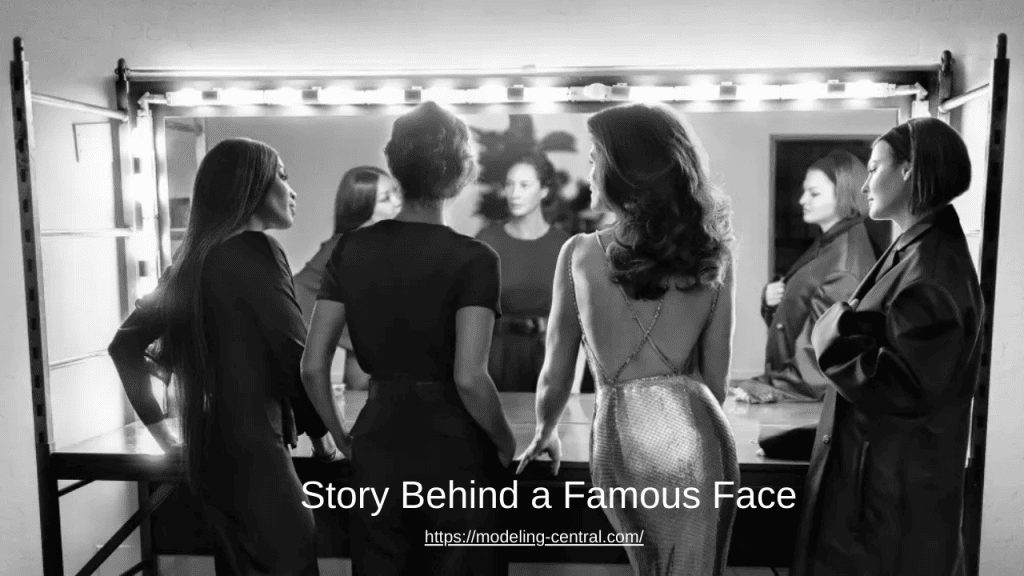
Fallen Angel: The Addiction Story Behind a Famous Face

To the outside world, a supermodel’s life looks like a dream. From international runways to magazine covers, their faces are seen as symbols of beauty, confidence, and success. Yet behind the cameras and bright lights, many models live a very different reality. Addiction is a silent struggle in the fashion industry, and even the most admired faces can battle substance abuse. “Fallen Angel” is not a story of weakness, but one of hidden pain, resilience, and the possibility of recovery.

The Hidden Struggle of a Supermodel

Models live under extraordinary pressure. Every aspect of their appearance is scrutinized, and their careers depend on staying at the top of a competitive industry. Long workdays, global travel, and constant judgment create stress and isolation. Substances often become a way to cope. Stimulants may be used to stay slim or energized, while alcohol and sedatives are taken to quiet nerves before big shows. What begins as an occasional escape can spiral into dependency.

Why Addiction Often Goes Unnoticed

Addiction is especially difficult to detect in the fashion industry. Models are experts at projecting confidence, even when they are struggling inside. The fear of losing contracts or damaging reputations keeps many from asking for help. Instead, they suffer in silence, hiding their pain behind the very image of perfection that made them famous.

The Connection Between Mental Health and Substance Use

Substance abuse rarely occurs alone. Anxiety, depression, and unresolved trauma are common among those in the fashion world. These issues often fuel addiction, creating a cycle that is hard to break without professional help. Addressing both addiction and mental health together is essential for real healing. Integrated treatment can help individuals build coping skills, restore confidence, and rediscover balance.

Finding Hope Through Holistic Healing

Recovery is not about erasing the past. It is about learning to heal the whole person—mind, body, and spirit. At Modeling Central, treatment programs are designed with this philosophy in mind.

Inpatient and Outpatient Treatment Options

Inpatient care provides a safe, structured environment for those who need intensive support. With 24-hour guidance and medical supervision, clients can step away from the chaos of their careers to focus fully on recovery. Outpatient care, on the other hand, offers flexibility, allowing clients to continue working while attending therapy and support sessions. Both paths are personalized to meet the individual’s unique needs.

Faith-Based and Individualized Approaches

For some, faith is a powerful part of recovery. Faith-based programs offer spiritual grounding, while individualized treatment ensures that every client receives care tailored to their personal journey. Holistic approaches also integrate healthy lifestyle practices such as nutrition, exercise, and mindfulness, helping individuals build a foundation for long-term sobriety.

Rising Again After the Fall

The story of a “fallen angel” is not about failure, but about the strength it takes to rise again. Addiction may be part of a model’s past, but it does not have to define their future. With compassionate care, professional treatment, and ongoing support, recovery is possible.

If you or someone you know is struggling with addiction in the fashion industry, now is the time to reach out. At Modeling Central, healing is guided by respect, dignity, and hope. Behind every famous face is a human being who deserves to live free from addiction. Taking the first step toward recovery could be the most powerful decision you ever make.

Catwalk Crisis: When Beauty Masks a Battle With Substance Abuse

The world of fashion is filled with glamour, fame, and breathtaking beauty. Supermodels grace magazine covers and runways, appearing flawless to the public eye. However, beneath this polished surface, many models struggle with hidden battles, including substance abuse. Addiction in the fashion industry is often overlooked, yet it can affect even the most successful and admired individuals. Understanding these challenges is crucial for both prevention and recovery.

The Hidden Pressures Behind the Runway

Models face extreme pressure to maintain perfection in every aspect of their lives. Long hours, intense competition, and strict physical standards create an environment where stress and anxiety are constant companions. Many models turn to substances to cope with this pressure. Stimulants may be used to stay energized and alert during long shoots, while alcohol or prescription medications help numb emotional strain. Over time, casual use can evolve into dependency, putting careers, health, and personal well-being at risk.

Why Addiction Remains Secret

Substance abuse in modeling is often hidden due to stigma and fear of professional consequences. Admitting to addiction may result in lost contracts or damaged reputations. As a result, many models struggle in silence, feeling isolated despite being surrounded by colleagues and fans. This secrecy can worsen mental health challenges and delay access to the treatment needed for recovery.

The Connection Between Mental Health and Substance Use

Addiction rarely exists in isolation. Many individuals in the fashion industry also experience anxiety, depression, or unresolved trauma. When left unaddressed, these conditions can drive substance use as a coping mechanism. Integrated treatment that addresses both mental health and addiction is critical. This approach not only supports sobriety but also promotes emotional resilience and long-term well-being.

Holistic and Individualized Treatment Approaches

Recovery is a deeply personal journey. At Modeling Central, treatment plans are tailored to the unique needs of each client. Holistic approaches combine therapy, lifestyle changes, and spiritual guidance to address the whole person. Faith-based programs may offer additional support for those seeking spiritual connection and meaning during recovery. Both inpatient and outpatient programs provide flexible options to match the intensity of care with individual needs.

Inpatient Care

Inpatient programs offer structured, round-the-clock support, ideal for models dealing with severe addiction. These programs provide medical supervision, counseling, and therapeutic interventions designed to stabilize the individual and prepare them for long-term recovery.

Outpatient Care

Outpatient programs allow clients to continue professional responsibilities while participating in therapy, support groups, and skill-building sessions. This approach offers flexibility without compromising the quality of care and recovery outcomes.

Moving Beyond the Catwalk

Recovery from substance abuse is possible, even for those whose lives have been defined by fame and appearance. The journey requires courage, professional support, and a commitment to personal healing. Models who embrace treatment can regain control of their lives, improve mental and physical health, and rebuild authentic relationships.

If you or someone you know is struggling with addiction in the fashion industry, reaching out for help is the first step toward lasting change. Modeling Central offers compassionate, expert care designed to support both recovery and overall well-being. Beauty may draw attention, but true strength comes from confronting challenges and choosing a path of healing.

From Covers to Cravings: The Hidden Addiction of a Supermodel

The glossy covers of fashion magazines tell a story of beauty, success, and perfection. Supermodels are often admired as icons of elegance, strength, and confidence. Yet behind the flawless images lies a reality that is far less glamorous. Addiction and mental health struggles are deeply present in the fashion industry, though they often remain hidden from public view. The journey from photo shoots to private battles with cravings is one that many models know all too well.

The Pressure Behind the Perfect Image

The fashion industry is fast-paced and demanding. Models are expected to maintain strict body standards, meet endless deadlines, and project confidence under constant scrutiny. This pressure can create a dangerous cycle where substances are used to cope. Stimulants may be taken to suppress appetite or boost energy, while alcohol or sedatives are used to quiet anxiety and stress. What may begin as occasional use often grows into dependency, turning a dream career into a hidden struggle with addiction.

Why Addiction Often Stays Hidden

For supermodels, image is everything. The fear of being labeled as unreliable or unprofessional can keep many from seeking help. Careers depend on maintaining perfection, and any sign of vulnerability may be seen as weakness in a competitive industry. This stigma creates silence, isolating models who are already dealing with demanding lifestyles and emotional strain.

The Link Between Mental Health and Substance Use

Addiction rarely exists in isolation. Many in the fashion industry also face anxiety, depression, or unresolved trauma. The connection between mental health and substance use is strong, and ignoring one issue often makes the other worse. Effective recovery must address both challenges together, offering a path that goes beyond temporary solutions and toward lasting healing.

A Holistic Path to Recovery

Recovery is not just about removing substances. It is about rebuilding a sense of self, rediscovering purpose, and creating healthy coping strategies. At Modeling Central, treatment is designed to support the whole person.

Inpatient and Outpatient Treatment Options

Inpatient programs provide intensive care in a structured, supportive environment, ideal for individuals who need round-the-clock guidance. Outpatient programs, on the other hand, allow models to maintain their careers and responsibilities while still receiving consistent therapy and support. Both paths are personalized, ensuring that treatment fits the individual’s unique needs and lifestyle.

Faith-Based and Individualized Support

Faith-based and holistic approaches can play a powerful role in recovery, offering spiritual grounding and emotional renewal. By combining evidence-based therapy with individualized care, clients are given tools to heal both body and spirit. This integrated approach acknowledges the human being behind the supermodel and empowers them to find strength beyond their career.

Breaking Free and Moving Forward

The hidden addiction of a supermodel does not have to define their life. Recovery is possible, and it begins with the courage to reach out for help. No career, photo shoot, or public expectation is worth more than personal health and peace of mind.

If you or someone you know is struggling with addiction in the fashion industry, remember that compassionate and professional support is available. At Modeling Central, healing is approached with care, dignity, and respect. From covers to cravings, the journey may be difficult, but with the right treatment and guidance, recovery is within reach.

Striking Poses, Hiding Pain: Addiction in the Fashion Industry

The fashion industry is synonymous with glamour, high-profile events, and picture-perfect appearances. Models are celebrated for their beauty, poise, and success. Yet behind the runway lights and magazine covers, many struggle with challenges that the public rarely sees. Addiction is one of the most serious and hidden issues affecting professionals in fashion. Substance abuse can affect anyone, regardless of fame, wealth, or perceived perfection. Understanding this issue is the first step toward healing and recovery.

Understanding Addiction in the Fashion Industry

The pressures of the fashion world can be overwhelming. Models face demanding schedules, constant travel, and intense scrutiny over appearance and behavior. The pressure to maintain strict body standards and perform flawlessly can contribute to stress, anxiety, and depression. Some models turn to substances as a way to cope with the pressure, using stimulants to maintain energy, alcohol to socialize or relax, and prescription medications to manage anxiety or sleep issues. Over time, casual use can develop into dependency or addiction, affecting both personal health and professional performance.

Why Addiction Often Goes Unnoticed

Addiction in the fashion industry often remains hidden due to stigma and fear. Many models feel they must maintain a flawless image to protect their careers. Speaking openly about substance use can feel risky. Agents, photographers, and even peers may turn a blind eye, contributing to secrecy and isolation. This lack of support makes it harder for models to seek help and can exacerbate mental health issues.

Holistic Approaches to Recovery

Recovery from addiction requires more than simply addressing substance use. Comprehensive treatment often involves addressing mental health, building coping strategies, and reconnecting with personal values. Holistic, faith-based, and individualized approaches can be particularly effective for models seeking healing. These methods focus on the whole person, incorporating therapy, spiritual guidance, and healthy lifestyle changes to promote long-term recovery. Inpatient or outpatient care provides structured environments where models can safely detox, learn relapse prevention strategies, and develop emotional resilience.

Inpatient and Outpatient Care Options

Inpatient programs offer intensive support for individuals struggling with severe addiction. These programs provide round-the-clock care, medical supervision, and therapeutic interventions to help clients achieve stability. Outpatient programs allow clients to maintain daily responsibilities while attending therapy and support sessions regularly. Both options are tailored to meet the specific needs of the individual, ensuring personalized and effective care.

Supporting Mental Health Alongside Recovery

Addiction and mental health are closely connected. Many individuals struggling with substance use also experience anxiety, depression, or trauma. Integrated mental health treatment ensures that both issues are addressed simultaneously. Models benefit from therapy that focuses on emotional well-being, stress management, and building healthy relationships, helping them regain confidence and maintain long-term recovery.

Taking the Next Step Toward Healing

Recovery is possible, and seeking help is a sign of strength. If you or someone you know is struggling with addiction in the fashion industry, reaching out for support is the first step. Professional treatment, compassionate care, and a supportive community can make a transformative difference. Healing allows individuals to reclaim their lives, regain self-worth, and pursue their careers with renewed purpose and resilience.

The fashion world may shine with glamour, but true strength comes from confronting struggles openly and seeking help. Addiction does not have to define a career or a life. With the right treatment and support, recovery is not only achievable but sustainable.

Runway to Rehab: A Model’s Journey Through the Dark Side of Fame

The world of high fashion often dazzles with its glittering lights, flawless photoshoots, and glamorous runway shows. To outsiders, it may seem like a dream life, filled with fame, beauty, and luxury. But behind the polished exterior lies a darker reality—one where the pressures of perfection, constant competition, and relentless scrutiny can lead models down a dangerous path. For many, the journey from the runway to rehab becomes an unfortunate and painful reality.

Models face immense pressure to maintain a specific image. The industry’s demand for physical perfection often creates unhealthy expectations around weight, appearance, and behavior. Many models are introduced to drugs and alcohol not just through the party culture that surrounds fashion events, but also as tools to survive their lifestyle—using stimulants to stay thin or awake, and depressants to escape the mental toll. What starts as a coping mechanism can quickly spiral into addiction.

One former model, Olivia (name changed for privacy), shared her story of success and struggle. Discovered at just 17, Olivia was thrust into the international modeling scene. Within months, she was walking runways in Paris, Milan, and New York. “At first, it was everything I dreamed of,” she said. “But soon, the constant travel, the pressure to be perfect, and the isolation started to wear me down.”

With little support and no time to process the overwhelming lifestyle, Olivia turned to substances to cope. “It started with a glass of champagne before shows to calm my nerves. Then came the pills to stay thin, and the drugs to keep me going through 16-hour days.” Before long, addiction took hold.

The fashion industry often masks these struggles. Models are expected to show up looking perfect, regardless of what’s happening behind the scenes. Speaking out about addiction risks damaging reputations, losing contracts, and being labeled as “difficult” or “unreliable.” This silence traps many models in a dangerous cycle of substance abuse and denial.

For Olivia, the breaking point came when she collapsed backstage at a major fashion show. The incident forced her to confront her addiction. With the help of a supportive friend, she checked into rehab, beginning a long and painful process of recovery.

Rehab was not just about detoxing from substances—it was about unlearning the toxic expectations the fashion world had imposed. Therapy helped Olivia rediscover her self-worth, not based on size or beauty, but on her inner strength and resilience. “Rehab saved my life,” she said. “It taught me that I am more than a runway model. I am a human being.”

Today, Olivia uses her platform to advocate for mental health and addiction awareness in the modeling industry. Her story is a reminder that fame often comes with hidden costs. The journey from the runway to rehab is one of the hardest roads a model can walk—but it’s also a journey toward healing, authenticity, and true freedom.