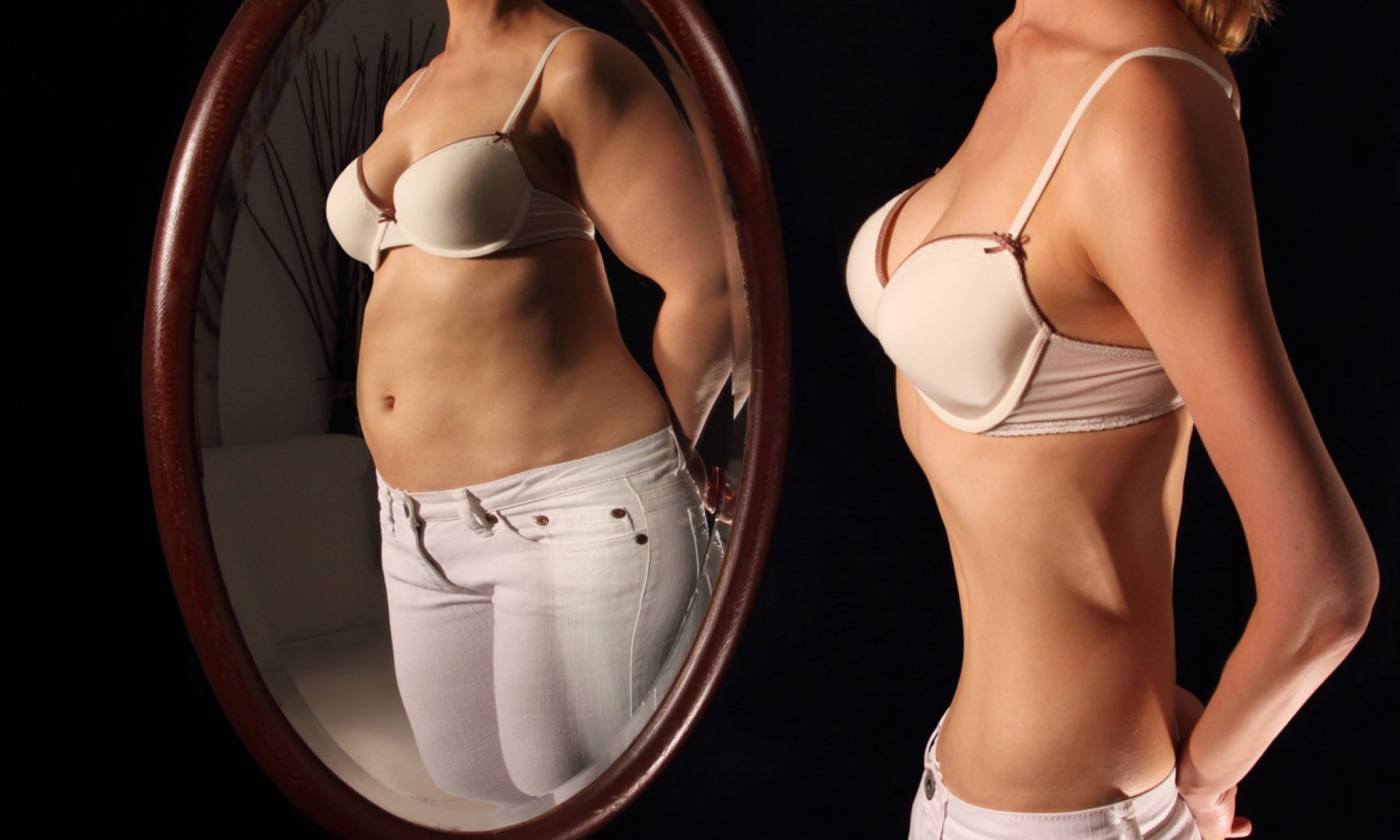
The fashion modeling industry is often seen as a world of glamour, success, and opportunity. Runways, magazine covers, and international campaigns create an image of confidence and achievement. However, behind this polished surface, many professional models face intense pressure that can deeply affect their mental health and increase the risk of addiction. The combination of appearance-based expectations, career instability, and emotional isolation can create conditions where unhealthy coping behaviors develop. Understanding these pressures is essential for recognizing when support and recovery are needed.
The Reality Behind the Fashion Modeling Industry
While modeling can be a rewarding career, it is also an environment defined by constant evaluation and high expectations. These conditions can create emotional strain that is often overlooked.
Constant Pressure to Maintain Appearance Standards
Professional models are frequently judged on body shape, weight, skin condition, and overall presentation. This ongoing scrutiny can lead to anxiety, perfectionism, and body image concerns. Many models feel that their value is tied directly to their appearance and performance.
To manage this pressure, some individuals may turn to substances such as stimulants, alcohol, or prescription medications. These substances may initially seem helpful for managing stress, controlling appetite, or maintaining energy. However, over time, these coping methods can lead to dependency and addiction, further impacting mental and physical health.
Career Instability and Unpredictable Work
The modeling industry is highly competitive and often unpredictable. Work can be inconsistent, with long gaps between jobs and frequent travel requirements. This lack of stability can create financial stress and emotional exhaustion.
Many models also experience isolation due to time spent away from family and support systems. Without consistent emotional grounding, stress can build and increase vulnerability to mental health challenges and substance use.
The Connection Between Mental Health and Addiction
Mental health and addiction are closely connected, especially in high-pressure industries like fashion modeling. Anxiety, depression, trauma, and eating disorders are commonly experienced alongside substance use disorders.
When mental health conditions are not properly treated, individuals may use substances as a way to cope with emotional distress. This can create a cycle where both conditions reinforce each other. Effective recovery requires treating both mental health and addiction at the same time.
Warning Signs That Support May Be Needed
Early recognition of mental health and substance use issues is critical. Common warning signs include:
- Increased reliance on substances to manage stress or emotions
- Mood swings, irritability, or emotional withdrawal
- Difficulty maintaining work responsibilities or focus
- Changes in sleep patterns, appetite, or energy levels
- Feelings of hopelessness or emotional numbness
Recognizing these signs early can help individuals seek support before challenges become more severe.
Pathways to Recovery and Healing
Recovery is possible with the right support system. Treatment that is compassionate, structured, and individualized can help models rebuild both mental health and overall well-being.
Inpatient and Outpatient Treatment Options
Inpatient programs provide a structured environment with 24-hour care, therapy, and medical support. This level of care is often beneficial for individuals with severe addiction or co-occurring mental health conditions.
Outpatient programs offer flexibility, allowing individuals to continue daily responsibilities while receiving ongoing therapy and support. These programs focus on building coping skills, emotional regulation, and relapse prevention strategies.
Holistic and Faith-Based Approaches
Holistic treatment focuses on healing the mind, body, and spirit. Approaches such as mindfulness, movement therapy, nutrition support, and stress management techniques help restore balance and resilience.
Faith-based programs offer spiritual support, purpose, and encouragement for individuals who find strength in spiritual connection. These approaches can provide meaning and emotional grounding throughout recovery.
Individualized Care for Lasting Recovery
Every recovery journey is unique. Individualized treatment plans ensure that care is tailored to each person’s mental health needs, personal goals, and lifestyle. This personalized approach improves engagement and supports long-term healing and stability.
Building a Healthier Future Beyond the Industry
Recovery is not only about overcoming addiction. It is also about developing healthier ways to manage stress and rebuild self-worth. Through therapy, support systems, and ongoing care, individuals can learn to set boundaries, regulate emotions, and separate identity from external validation.
These skills are especially important in the modeling industry, where appearance and performance often feel central to personal value. Building emotional resilience allows individuals to continue their careers while protecting their mental health.
Conclusion: Taking the First Step Toward Recovery
The pressures of the fashion modeling industry can contribute to serious mental health challenges and addiction. However, these challenges do not define the future. With compassionate care, professional treatment, and individualized support, recovery is possible.
If you or someone you love is struggling with addiction or emotional distress, reaching out for help is a powerful first step. Healing begins with support, understanding, and the decision to move toward a healthier and more balanced life.