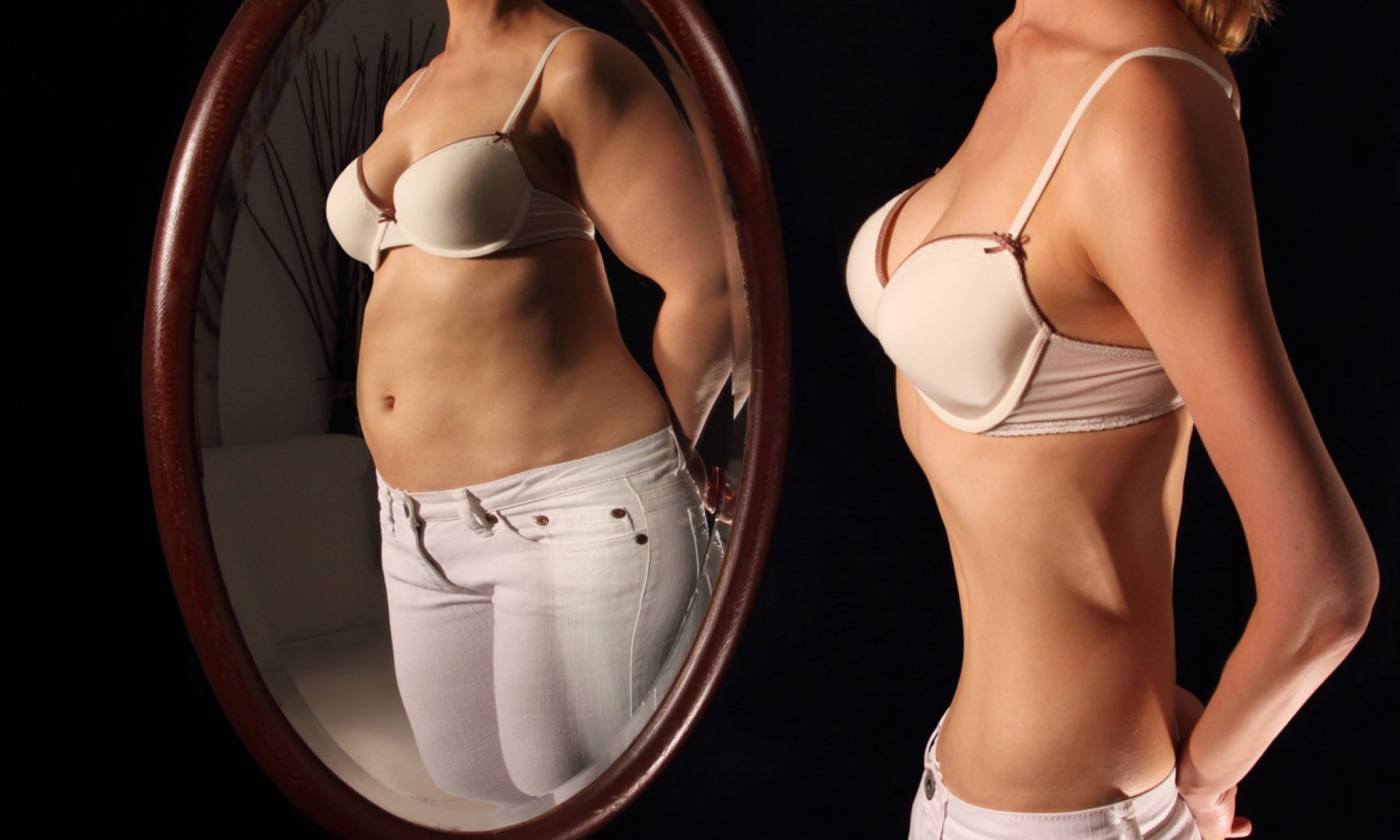
The modeling industry is often celebrated for its beauty, creativity, and global influence. Runways, campaigns, and editorial spreads project an image of perfection that many people admire. Yet behind these beauty standards lies a less visible reality. For many professional models, the pressure to maintain appearance, performance, and constant availability can lead to overwhelming stress, mental health struggles, and in some cases, addiction. Understanding the hidden cost of beauty standards is essential for recognizing when support and recovery become necessary.
How Beauty Standards Shape the Modeling Experience
Beauty standards in fashion modeling are not just guidelines. They often define opportunities, career longevity, and financial stability. While this structure drives the industry forward, it can also create intense psychological pressure for those working within it.
Constant Evaluation and Body Image Pressure
Professional models are regularly evaluated based on physical appearance, including body shape, weight, facial features, and overall presentation. These standards can change quickly depending on fashion trends and client expectations.
This constant scrutiny can lead to body dissatisfaction, anxiety, and perfectionism. In some cases, individuals may feel pressured to use substances such as stimulants, alcohol, or prescription medications to control appetite, maintain energy, or manage stress. What may begin as a coping mechanism can gradually develop into dependency and addiction.
Career Instability and Fear of Rejection
Modeling is a highly competitive industry where rejection is frequent and success can be unpredictable. Jobs are often short-term, schedules are irregular, and long gaps between work opportunities are common.
This instability can lead to financial stress and emotional exhaustion. Many models also experience fear of losing relevance, which increases pressure to maintain strict beauty standards at all times. Over time, this environment can contribute to chronic stress and emotional burnout.
The Link Between Stress, Mental Health, and Addiction
Stress is one of the most significant factors affecting mental health in the modeling industry. When combined with unrealistic beauty expectations and emotional isolation, it can increase the risk of anxiety, depression, and substance use disorders.
Mental health challenges and addiction often develop together. Without proper support, individuals may turn to substances as a way to cope with emotional distress. While this may provide temporary relief, it often worsens mental health and creates a cycle that becomes difficult to break.
Early Warning Signs of Struggle
Recognizing early signs of stress, addiction, or emotional distress is important for timely intervention. These signs may include:
- Increased reliance on substances to manage emotions or pressure
- Withdrawal from social or professional relationships
- Difficulty concentrating or maintaining consistent performance
- Changes in sleep patterns, appetite, or physical health
- Persistent feelings of anxiety, sadness, or emotional exhaustion
Awareness of these indicators can help individuals seek support before challenges become more severe.
Pathways to Recovery in a High-Pressure Industry
Recovery is possible, even in demanding industries like fashion modeling. Effective treatment focuses on addressing both mental health and substance use while providing personalized care that reflects each individual’s experience.
Inpatient and Outpatient Treatment Options
Inpatient treatment offers structured, 24-hour care in a safe and supportive environment. This level of care is often recommended for individuals facing severe addiction or co-occurring mental health conditions.
Outpatient treatment provides flexibility for those who need ongoing support while continuing work or personal responsibilities. These programs focus on therapy, coping skills, and relapse prevention strategies that support long-term recovery.
Holistic and Faith-Based Healing Approaches
Holistic treatment focuses on healing the mind, body, and spirit. Approaches such as mindfulness practices, movement therapy, nutrition support, and stress management techniques help restore balance and emotional well-being.
Faith-based programs offer spiritual guidance and emotional support for individuals who draw strength from faith. These approaches can provide hope, purpose, and resilience throughout the recovery journey.
Individualized Care for Long-Term Healing
Every recovery journey is unique. Individualized treatment plans ensure that care is tailored to each person’s mental health needs, personal goals, and lifestyle. This personalized approach helps individuals feel supported and understood throughout the healing process.
Rebuilding Identity Beyond Beauty Standards
One of the most important aspects of recovery is learning to separate self-worth from external appearance and validation. In the modeling industry, where beauty standards often define success, this shift is essential for long-term emotional health.
Therapy, peer support, and ongoing care help individuals develop healthier coping strategies, set boundaries, and rebuild confidence based on internal values rather than external expectations. These skills support both personal healing and professional sustainability.
Conclusion: Moving Beyond the Cost of Perfection
The beauty standards that define the modeling world often come with a hidden emotional cost. Stress, mental health challenges, and addiction are real risks, but they do not have to define the future. With compassionate care, individualized treatment, and ongoing support, recovery is possible.
If you or someone you love is struggling with addiction or emotional distress, reaching out for help is a powerful first step. Healing begins when the pressure of perfection is replaced with support, understanding, and the opportunity to build a healthier, more balanced life.