
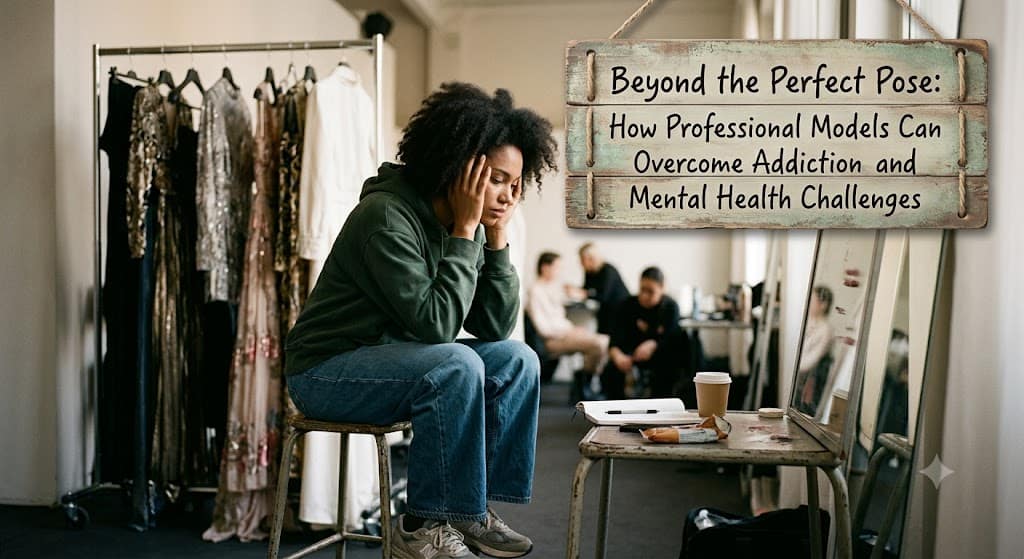
From the outside, a modeling career can appear glamorous and effortless. Fashion shows, luxury campaigns, magazine covers, and social media attention often paint a picture of success and confidence. Yet behind the perfect pose, many professional models face emotional struggles that remain hidden from public view. Constant pressure to meet beauty standards, unpredictable work schedules, frequent travel, and relentless competition can affect mental health and increase the risk of substance use. The good news is that recovery is possible. With compassionate, individualized care, professional models can overcome addiction, strengthen their mental health, and build a life that is healthy, balanced, and fulfilling.
The Reality Behind the Camera
Modeling is a profession built on creativity and self expression, but it is also one that demands resilience. Many of the industry’s expectations can place tremendous emotional strain on individuals over time.
Living Under Constant Pressure
Professional models are often expected to maintain strict physical standards while adapting to changing trends and client expectations. Every audition, fitting, and photoshoot can feel like an evaluation of personal worth.
This ongoing pressure may contribute to anxiety, perfectionism, and low self confidence. Repeated rejection or fear of losing work can also increase emotional stress, making it more difficult to maintain a healthy mindset.
An Unpredictable Lifestyle
Unlike traditional careers, modeling often involves irregular schedules, extensive travel, and uncertain income. These factors can make it difficult to establish routines, maintain close relationships, or prioritize self care.
Without strong emotional support, feelings of loneliness and burnout may begin to grow. Over time, these challenges can affect both mental and physical well being.
How Mental Health and Addiction Become Connected
Mental health challenges and addiction frequently occur together. When emotional distress is left untreated, some individuals begin using substances to manage overwhelming feelings or escape daily pressures.
Why Substance Use May Begin
Professional models may turn to alcohol or drugs for several reasons, including:
- Coping with stress before castings or fashion events
- Managing anxiety or social pressure
- Maintaining energy during demanding schedules
- Suppressing appetite to meet unrealistic expectations
- Escaping feelings of isolation or disappointment
Although these behaviors may seem helpful in the moment, they often lead to dependency and make emotional challenges even more difficult over time.
Co-Occurring Mental Health Conditions
Many individuals struggling with addiction also experience anxiety disorders, depression, trauma, eating disorders, or chronic stress. These co-occurring conditions require integrated treatment that addresses both substance use and mental health simultaneously.
Treating only one issue often leaves underlying emotional challenges unresolved. Comprehensive care creates a stronger foundation for lasting recovery.
Recognizing When Help Is Needed
Seeking professional support early can prevent addiction and mental health conditions from becoming more severe. Some common warning signs include:
Emotional and Behavioral Changes
- Increased reliance on alcohol or drugs to cope with stress
- Persistent sadness, anxiety, or emotional exhaustion
- Difficulty maintaining work responsibilities
- Withdrawal from family, friends, or colleagues
- Changes in appetite, sleep, or energy levels
- Loss of confidence or motivation
Recognizing these signs is not a reason for shame. Instead, it is an opportunity to begin healing with the support of experienced professionals.
Effective Treatment for Professional Models
Recovery looks different for every individual. Personalized treatment plans allow care to reflect each person’s experiences, challenges, and goals.
Inpatient Treatment for Comprehensive Support
Inpatient programs provide a structured and supportive environment where individuals can focus entirely on recovery. Medical supervision, individual counseling, group therapy, and wellness activities work together to address both addiction and mental health conditions.
This level of care is particularly beneficial for individuals experiencing severe substance use or complex emotional challenges.
Outpatient Care for Flexible Recovery
Outpatient treatment offers professional support while allowing individuals to continue managing work, family, or personal responsibilities. Therapy sessions, relapse prevention planning, and peer support help individuals strengthen recovery skills in everyday life.
Many people transition from inpatient care to outpatient services as they continue building long term wellness.
Healing Through Holistic and Faith Based Approaches
True recovery involves healing every aspect of life, not simply stopping substance use.
Holistic Care Promotes Overall Wellness
Holistic treatment may include mindfulness practices, nutritional counseling, exercise, stress management techniques, creative therapies, and wellness education. These approaches help individuals develop healthier ways to respond to life’s challenges while improving emotional resilience.
Learning practical coping strategies reduces dependence on unhealthy behaviors and supports sustainable recovery.
Spiritual Support Can Inspire Hope
For individuals who value faith, spiritual guidance can become a meaningful part of the healing process. Faith based recovery programs combine evidence based clinical care with spiritual encouragement that fosters hope, forgiveness, purpose, and inner strength.
This balanced approach helps many people reconnect with their values while building confidence for the future.
Building a Healthy Identity Beyond the Industry
Recovery is about much more than overcoming addiction. It is about rediscovering personal worth beyond appearance or professional success.
Therapy helps professional models strengthen self esteem, establish healthy boundaries, improve communication, and develop positive coping skills. Family involvement and peer support further reinforce long term healing by creating a network of encouragement and accountability.
As emotional resilience grows, individuals become better equipped to navigate career challenges without sacrificing their mental health or well being.
Conclusion: Recovery Begins With One Courageous Step
Behind every perfect pose is a real person deserving of compassion, understanding, and support. The pressures of professional modeling can contribute to mental health challenges and addiction, but they do not have to define the future.
With individualized treatment, comprehensive mental health care, inpatient and outpatient services, holistic therapies, and faith based support, lasting recovery is within reach. If you or someone you care about is struggling with addiction or emotional distress, reaching out for professional help is a powerful first step. Healing is possible, and with the right guidance, professional models can move beyond the pressures of the industry and embrace a healthier, more hopeful future.