Beyond the Portfolio: Helping Professional Models Heal From Industry Pressure, Addiction, and Emotional Pain

A professional model’s portfolio may show confidence, beauty, and success, but it can never tell the whole story. Behind carefully selected photographs and polished campaigns is a person who may be dealing with rejection, financial uncertainty, body image concerns, exhausting schedules, loneliness, or relentless pressure to remain competitive. When these pressures continue without adequate support, emotional pain can become difficult to manage. For some models, alcohol or drugs may become a way to temporarily escape anxiety or distress. Over time, however, substance use can create a cycle that affects mental health, relationships, and career stability. Healing begins when the person behind the portfolio receives compassionate care that addresses the whole individual, not simply the addiction.

The Emotional Pressure Behind a Modeling Career

Modeling can be rewarding, but it also involves unique professional demands. A career built around appearance and public evaluation can make ordinary workplace stress feel deeply personal.

Constant Evaluation Can Affect Self Worth

Models regularly receive feedback about their appearance, body measurements, age, presentation, and marketability. Casting decisions can also be unpredictable. A talented professional may be rejected because they do not fit a client’s specific concept or campaign.

Repeated rejection can still hurt, particularly when professional approval becomes connected to personal identity. Over time, a model may begin to believe that being booked means being valuable, while rejection means something is wrong with them.

This can contribute to perfectionism, anxiety, low self esteem, and emotional exhaustion.

Unpredictable Work Can Increase Stress

Modeling often involves irregular schedules, last minute opportunities, travel, long working days, and periods of inconsistent income. These demands can interfere with sleep, relationships, exercise, nutrition, and other healthy routines.

For someone already experiencing anxiety or emotional distress, the lack of stability can make symptoms more difficult to manage.

When Emotional Pain Leads to Substance Use

Substance use does not automatically result from industry pressure. Addiction is complex, and many factors can contribute to it. However, prolonged stress and untreated emotional pain can make unhealthy coping strategies more appealing.

Why a Model May Turn to Alcohol or Drugs

A professional model might initially use substances to:

  • Relax after a stressful assignment
  • Reduce anxiety before a casting or event
  • Feel more comfortable in social situations
  • Cope with rejection or disappointment
  • Manage loneliness while traveling
  • Stay awake during demanding work schedules
  • Escape difficult emotions

At first, substance use may seem like a practical way to get through a difficult moment. The problem is that temporary relief does not address the underlying source of distress.

Repeated use can eventually lead to tolerance, cravings, dependence, and addiction.

Addiction Is Not a Personal Failure

It is important to replace shame with understanding. Addiction is a serious and treatable condition. A person who struggles with substance use is not weak, irresponsible, or beyond help.

Compassionate treatment focuses on understanding why substance use developed and helping individuals build healthier ways to manage stress, anxiety, and painful emotions.

Recognizing When a Model Needs Professional Support

Early intervention can prevent emotional and substance use problems from becoming more severe. Models, friends, family members, agents, and colleagues should pay attention to meaningful changes in behavior.

Signs of Emotional Distress

Possible warning signs include:

  • Persistent anxiety or sadness
  • Increasing irritability
  • Emotional exhaustion
  • Difficulty sleeping
  • Withdrawal from friends or family
  • Loss of interest in activities
  • Declining confidence
  • Trouble concentrating
  • Feelings of hopelessness
  • Significant changes in appetite or energy

These symptoms do not automatically indicate a mental health disorder. However, when they persist or interfere with daily life, professional evaluation can provide valuable guidance.

Signs of Problematic Substance Use

Concern may increase when someone is:

  • Using alcohol or drugs more frequently
  • Relying on substances to manage emotions
  • Hiding substance use
  • Missing work or personal responsibilities
  • Experiencing cravings or withdrawal
  • Continuing to use despite negative consequences
  • Struggling to stop or reduce use

The earlier someone receives appropriate support, the more opportunities they have to regain stability.

Addressing Mental Health and Addiction Together

Addiction and mental health concerns can reinforce one another. Anxiety may encourage substance use, while ongoing substance use may worsen anxiety, sleep problems, depression, or emotional instability.

Understanding Co Occurring Conditions

Professional models experiencing addiction may also struggle with anxiety, depression, trauma, eating disorders, or other mental health concerns.

Treatment should therefore look beyond substance use alone. Comprehensive care can address both addiction and underlying emotional concerns, giving individuals practical tools for managing triggers and building long term stability.

This integrated approach is particularly important for people returning to environments that may continue to involve significant professional pressure.

Individualized Treatment Can Make Recovery More Effective

Every model has a different career history, personal background, support system, and relationship with substances. Recovery should reflect those differences.

Inpatient Treatment Can Create Space to Heal

For individuals experiencing significant addiction or emotional distress, inpatient treatment can provide a structured environment away from daily pressures.

This setting allows clients to focus on stabilization, therapy, recovery education, and personal wellness. Professional support can help identify the factors contributing to substance use while creating healthier patterns for the future.

Stepping away from the demands of work can also provide valuable time to reconnect with personal needs that may have been overlooked.

Outpatient Treatment Supports Real World Recovery

Outpatient care can provide continued mental health and addiction support while allowing individuals to maintain work, family, or other responsibilities.

Individual therapy, group counseling, relapse prevention planning, and ongoing support can help models apply recovery skills to real life situations. This flexibility may be especially useful for someone gradually returning to a professional career.

Holistic Healing Goes Beyond Sobriety

Recovery is not simply about stopping substance use. Lasting wellness involves rebuilding physical health, emotional resilience, relationships, confidence, and purpose.

Developing Healthier Coping Strategies

Holistic approaches can complement traditional addiction and mental health treatment. Depending on an individual’s needs, recovery may include mindfulness, meditation, exercise, nutritional support, journaling, creative activities, relaxation techniques, and structured routines.

These practices can provide alternatives when stress becomes intense.

Instead of immediately turning to alcohol or drugs, a person can learn to recognize emotional triggers and respond in healthier ways.

Rebuilding Identity Beyond the Portfolio

One of the most important parts of recovery for a professional model may be separating personal identity from professional image.

A person is more than a portfolio, campaign, body measurement, casting result, or social media presence.

Therapy can help individuals challenge perfectionistic beliefs, develop self compassion, establish healthier boundaries, and recognize strengths that have nothing to do with appearance.

That shift can make rejection easier to process and reduce the pressure to maintain an unrealistic image.

Faith Based Support Can Strengthen Recovery

For people who value spirituality, faith can provide an additional source of hope, meaning, and connection.

Combining Spirituality With Professional Care

Faith based treatment can complement clinical addiction and mental health services. Spiritual support may help individuals explore forgiveness, purpose, resilience, compassion, and personal values.

For someone who feels disconnected from their identity or purpose, reconnecting with deeply held beliefs can become an important part of healing.

The most effective approach is one that respects the individual’s values while providing appropriate professional care.

Building a Recovery Plan That Fits the Modeling Lifestyle

Recovery does not necessarily require abandoning a modeling career. Instead, it can involve learning how to pursue professional goals without sacrificing health.

Identifying Career Related Triggers

Models can work with treatment professionals to identify situations that increase emotional distress or the risk of substance use.

Potential triggers may include:

  • Rejection after important castings
  • Extended periods of travel
  • Loneliness
  • Unpredictable work schedules
  • Appearance related criticism
  • Financial uncertainty
  • Social environments where substances are readily available
  • Pressure to meet unrealistic expectations

Knowing these triggers in advance allows a person to create a specific response plan.

Maintaining a Strong Support Network

Recovery becomes more sustainable when people do not have to manage difficult moments alone.

Therapists, family members, trusted friends, recovery peers, and other supportive individuals can provide encouragement and accountability. Strong relationships can also reduce isolation, which is particularly valuable for models who spend substantial time traveling or working away from home.

Conclusion: There Is More to Life Than the Image

A portfolio captures a moment. It does not capture the complete person behind the photograph.

Professional models deserve the same compassion, understanding, and access to quality mental health and addiction treatment as anyone else. Industry pressure, emotional pain, anxiety, and substance use can create serious challenges, but they do not have to determine someone’s future.

Individualized addiction recovery services, mental health treatment, inpatient and outpatient care, holistic therapies, and faith based support can give professional models the tools they need to heal. Treatment can help address the causes of substance use, strengthen emotional resilience, and rebuild a sense of identity that exists beyond appearance and professional success.

If you or someone you care about is struggling with addiction, anxiety, depression, or emotional distress, reaching out for professional help is a meaningful first step. Asking for support does not mean giving up on ambition. It means choosing a healthier way to pursue the life and career you want.

The goal of recovery is not to create another perfect image. It is to help you build a life that feels authentic, stable, healthy, and genuinely your own.

The Pressure to Perform: How a Dysfunctional Modeling Industry Can Lead to Addiction and Anxiety

The modeling industry can offer exciting opportunities, creative expression, and professional success, but the pressure behind the image is often far more intense than the public realizes. Professional models may face constant evaluation, unpredictable work, repeated rejection, appearance related expectations, and demanding schedules. For some individuals, these pressures can contribute to chronic anxiety, emotional exhaustion, and unhealthy coping behaviors. When alcohol or drugs become a way to manage stress, the result can be a dangerous cycle of substance use and worsening mental health. Recognizing the connection between industry pressure, addiction, and anxiety is an important first step toward finding compassionate, effective, and lasting recovery.

Understanding the Pressure to Perform in the Modeling Industry

Modeling is a profession in which performance is often judged immediately and personally. A casting may last only a few minutes, but the outcome can affect a model’s confidence and financial stability.

Constant Evaluation Can Affect Mental Health

Professional models may receive ongoing feedback about their appearance, weight, age, body shape, and marketability. Even when feedback is intended to be professional, constant evaluation can become emotionally exhausting.

A model may begin to connect personal worth with booking opportunities or physical appearance. When a job is lost or a casting does not go well, rejection can feel deeply personal. Over time, this pressure may contribute to anxiety, low self esteem, perfectionism, or depression.

Uncertainty Can Create Chronic Stress

Many modeling careers involve inconsistent schedules and uncertain income. A model may have a busy period followed by weeks with few opportunities. Travel, last minute bookings, and long workdays can also make it difficult to maintain healthy routines.

Chronic stress can gradually affect sleep, relationships, concentration, and emotional stability. Without healthy ways to manage these challenges, a person may begin searching for immediate relief.

How Anxiety Can Lead to Unhealthy Coping

Anxiety can affect both the mind and body. Persistent worry, racing thoughts, tension, difficulty sleeping, and fear about future opportunities can make daily life feel overwhelming.

Substances May Seem Like a Temporary Solution

Some people begin using alcohol or drugs because they believe substances help them cope. A model may use alcohol to feel more comfortable at social events, use drugs to escape emotional pain, or rely on substances after a stressful workday.

Others may turn to substances while attempting to manage exhaustion, anxiety, or demanding schedules.

The temporary relief can be deceptive. Although substances may appear to reduce distress in the moment, repeated use can lead to dependence and eventually make anxiety and emotional problems worse.

Addiction Is Not a Failure of Character

Addiction is a complex condition that can affect people from every background and profession. It should not be viewed as a personal weakness or a moral failure.

Compassionate addiction treatment focuses on understanding the factors that contribute to substance use and helping individuals develop healthier ways to cope. Recovery is possible, and seeking help is a sign of strength.

Recognizing Signs of Addiction and Emotional Distress

Early intervention can make a meaningful difference. A professional model may benefit from mental health or addiction treatment if they experience persistent changes in behavior or emotional well being.

Signs That Should Not Be Ignored

Warning signs may include:

  • Using alcohol or drugs to manage stress or anxiety
  • Feeling unable to relax without a substance
  • Increasing substance use over time
  • Experiencing intense anxiety or frequent panic
  • Difficulty sleeping or persistent exhaustion
  • Withdrawing from friends and family
  • Losing interest in activities that once felt meaningful
  • Struggling to meet personal or professional responsibilities
  • Continuing substance use despite negative consequences

These experiences do not mean that someone is beyond help. Instead, they may indicate that additional support is needed.

Why Mental Health and Addiction Treatment Should Work Together

Anxiety and substance use often become connected. Someone may use alcohol or drugs to cope with anxiety, while ongoing substance use can increase emotional instability and make anxiety more difficult to manage.

Treating Co-Occurring Challenges

Effective treatment should look beyond the immediate symptoms. An individualized recovery plan can address substance use while also exploring anxiety, depression, trauma, relationship challenges, body image concerns, or other factors affecting emotional health.

Treating the whole person can provide a stronger foundation for long term recovery.

Finding the Right Level of Care

There is no single approach that is right for everyone. The most effective treatment plan depends on a person’s unique needs, substance use history, mental health concerns, and personal circumstances.

Inpatient Treatment Provides Intensive Support

Inpatient treatment can provide a structured and supportive environment for individuals who need focused care. Stepping away from daily pressures can allow someone to concentrate on recovery and emotional healing.

Individual therapy, group support, recovery education, and wellness activities can help clients understand their challenges and develop healthier coping strategies.

For someone whose environment has become closely connected with substance use or emotional distress, time away can be an important part of the healing process.

Outpatient Care Supports Recovery in Daily Life

Outpatient treatment can offer professional support while allowing individuals to continue managing work, family, and other responsibilities.

Counseling, group therapy, relapse prevention, and ongoing mental health support can help individuals practice new coping skills in real life. This can be particularly valuable for professional models returning to demanding schedules and industry environments.

Holistic Healing Supports the Whole Person

Lasting recovery involves much more than stopping substance use. It also means rebuilding physical health, emotional balance, relationships, confidence, and a sense of purpose.

Healthy Ways to Manage Stress and Anxiety

Holistic approaches can complement professional addiction and mental health treatment. Depending on individual needs, recovery may include mindfulness, meditation, physical wellness, nutrition, creative expression, relaxation techniques, and stress management skills.

These practices can help individuals respond to difficult emotions without automatically turning to alcohol or drugs.

Rebuilding Identity Beyond Appearance

One of the most powerful parts of recovery can be rediscovering personal identity.

A model is more than a photograph, a measurement, or a casting decision. Therapy can help individuals strengthen self esteem, challenge perfectionistic thinking, and separate personal worth from professional approval.

Developing this healthier perspective can reduce the emotional impact of rejection and create greater resilience in both recovery and everyday life.

Faith Based Support Can Offer Hope and Purpose

For individuals who value spirituality, faith based recovery can provide additional encouragement and meaning.

Faith based approaches can complement clinical addiction treatment and mental health care by encouraging reflection, hope, forgiveness, connection, and personal growth. When incorporated into an individualized treatment plan, spiritual support can become a meaningful source of strength throughout recovery.

The goal is always to provide care that respects the person’s needs, values, and individual path toward healing.

Creating a Sustainable Recovery Plan

Recovery continues after formal treatment ends. A strong aftercare plan can help professional models prepare for future stress and maintain their progress.

Understanding Personal Triggers

Triggers may include rejection, intense work schedules, loneliness during travel, social events involving alcohol or drugs, financial uncertainty, or appearance related criticism.

Identifying these situations allows individuals to create practical strategies before they become overwhelming.

Building a Strong Support System

Recovery is easier when someone does not have to face challenges alone. Therapists, supportive family members, trusted friends, recovery peers, and other professionals can provide encouragement and accountability.

Maintaining these connections can be especially important during periods of career stress or emotional difficulty.

Conclusion: Success Should Never Require Sacrificing Your Health

The pressure to perform in the modeling industry can have a serious impact on mental health. Constant evaluation, rejection, career uncertainty, demanding schedules, and appearance expectations may contribute to anxiety and emotional exhaustion. For some individuals, substance use can become an attempt to escape that pressure, eventually creating an even more difficult struggle.

However, addiction and anxiety do not have to define the future. Compassionate addiction recovery services, mental health treatment, inpatient and outpatient care, holistic approaches, and faith based support can help individuals begin healing in a way that respects their unique needs.

No career is worth sacrificing your health, your relationships, or your sense of self. If you or someone you love is struggling with addiction, anxiety, or emotional distress, reaching out for professional help can be a powerful first step. Recovery offers the opportunity to build healthier coping skills, restore confidence, and create a life where success is no longer measured only by appearance or achievement, but also by genuine health, peace, and lasting well being.

When Modeling Takes a Toll: Recognizing Dysfunction, Substance Abuse, and Emotional Distress in Models

The modeling industry can look effortless from the outside. Beautiful campaigns, international travel, runway appearances, and creative opportunities can make the profession seem like a dream career. Yet behind the finished photographs and polished runway presentations, professional models may face intense competition, repeated rejection, appearance based criticism, unpredictable schedules, and significant pressure to perform. Over time, these demands can contribute to emotional distress, burnout, anxiety, and substance abuse. Recognizing these challenges is not about criticizing the entire fashion industry or blaming individual models. It is about understanding the pressures that can affect mental health and making compassionate, effective treatment available when someone needs help.

Understanding the Pressure Behind Modeling

A modeling career requires adaptability and resilience. However, constantly adapting to other people’s expectations can become emotionally exhausting.

Appearance Can Become Closely Tied to Self Worth

Models are often evaluated according to physical characteristics that may be outside their control. Height, body proportions, facial features, age, and overall appearance can influence whether someone receives an assignment.

Repeated criticism or rejection can gradually affect confidence. A person may begin to believe that professional acceptance determines personal value. This mindset can contribute to perfectionism, anxiety, depression, and unhealthy relationships with food or exercise.

Rejection Is Part of the Career

Casting decisions are subjective. A talented model can be rejected simply because a client is looking for a particular appearance or style.

However, repeated rejection can still be emotionally difficult. When someone is already struggling with low self esteem, each unsuccessful casting can reinforce negative thoughts and feelings of inadequacy.

Learning to separate career outcomes from personal worth is an important part of maintaining mental health.

How Modeling Stress Can Contribute to Substance Abuse

Stress does not automatically lead to addiction. However, chronic stress can make unhealthy coping strategies more appealing, especially when someone does not have adequate emotional support.

Why Substance Use May Begin

A model might initially use alcohol or drugs to cope with:

  • Anxiety before castings or runway events
  • Pressure surrounding appearance
  • Loneliness while traveling
  • Stress after rejection
  • Long and exhausting workdays
  • Social environments where substance use is common
  • Difficult emotions that feel overwhelming

At first, substance use may seem manageable. Over time, however, repeated use can become a pattern that is increasingly difficult to control.

When Coping Turns Into Dependence

Substance abuse can affect every part of a person’s life. Work performance may decline. Relationships can become strained. Financial difficulties may develop. Physical and emotional health can deteriorate.

Warning signs can include needing alcohol or drugs to feel comfortable, using substances more often than intended, hiding use from others, experiencing cravings, or continuing to use despite negative consequences.

Addiction is a treatable condition. It should be approached with professional care rather than shame.

Recognizing Emotional Distress in Professional Models

Not every difficult period indicates a mental health disorder. Still, persistent changes in mood or behavior deserve attention.

Common Signs of Emotional Strain

A professional model may be experiencing significant emotional distress if they regularly experience:

  • Persistent anxiety or sadness
  • Irritability or frequent mood changes
  • Emotional exhaustion
  • Difficulty sleeping
  • Loss of interest in activities
  • Social withdrawal
  • Low self esteem
  • Difficulty concentrating
  • Feelings of hopelessness
  • Increasing reliance on alcohol or drugs

These symptoms should not simply be dismissed as part of a demanding career. Professional support can help determine what is happening and identify appropriate treatment.

Mental Health and Addiction Can Occur Together

Addiction and mental health conditions frequently overlap. Someone dealing with anxiety may use substances to calm their nervous system. Someone experiencing depression may use drugs or alcohol to escape painful emotions. Unfortunately, substance use can eventually intensify those same mental health symptoms.

Why Integrated Treatment Matters

When addiction and mental health conditions occur together, treatment should address both concerns. This is sometimes referred to as treatment for co occurring disorders.

An individualized approach can explore the underlying causes of substance use while also treating conditions such as anxiety, depression, trauma, or other emotional concerns. Treating the whole person can create a stronger foundation for lasting recovery.

Finding the Right Level of Addiction Treatment

There is no single recovery program that works for everyone. The appropriate level of care depends on the individual’s substance use, mental health needs, physical health, support system, and personal circumstances.

Inpatient Treatment Provides Structure

Inpatient treatment can provide a safe, structured environment for individuals who need intensive support. Removing someone from stressful surroundings gives them an opportunity to focus on stabilization and recovery.

Treatment may include individual therapy, group counseling, medical support, recovery education, and wellness activities. This environment can also help individuals develop healthy routines and coping skills.

Outpatient Treatment Provides Flexibility

Outpatient care can be beneficial for individuals who need professional support while continuing to manage work, family, or other responsibilities.

Regular therapy and recovery services can help individuals address triggers, manage anxiety, develop relapse prevention strategies, and maintain progress while returning to everyday life.

Holistic Treatment Supports the Whole Person

Recovery is about more than stopping substance use. It involves rebuilding emotional, physical, social, and personal wellness.

Developing Healthy Coping Skills

Holistic approaches can introduce healthier ways to manage stress. Depending on the treatment plan, these may include mindfulness, meditation, exercise, nutritional support, creative activities, relaxation techniques, and other wellness practices.

The goal is to give individuals practical tools they can use when stress or difficult emotions return.

Rebuilding Self Esteem

Therapy can help models understand that their value extends far beyond appearance and professional achievements.

Developing self compassion, challenging perfectionistic thinking, establishing healthy boundaries, and learning to respond to criticism can help create a stronger sense of identity.

The Role of Faith in Recovery

For individuals who value spirituality, faith based treatment can provide an important source of hope and purpose.

Combining Spiritual and Clinical Support

Faith based recovery does not have to replace professional mental health treatment. Instead, spiritual support can complement counseling and addiction services.

Faith can help individuals explore forgiveness, purpose, resilience, connection, and personal values. When incorporated into an individualized treatment plan, it can become a meaningful part of the recovery journey.

Creating a Healthier Relationship With the Modeling Industry

Recovery does not necessarily mean giving up a modeling career. Instead, it can mean learning how to participate in the profession while protecting personal health.

Establishing Healthy Boundaries

Professional models may benefit from setting clear boundaries around work schedules, social environments, relationships, sleep, nutrition, and personal time.

It is also important to recognize situations that increase the risk of substance use or emotional distress. Having a plan for managing these triggers can make recovery more sustainable.

Building a Support Network

Isolation can make recovery more difficult. Trusted friends, family members, therapists, peers, and other supportive people can provide encouragement and accountability.

A strong support network also gives individuals somewhere to turn when career pressure becomes overwhelming.

Conclusion: A Healthier Future Is Possible

Modeling can be an exciting and rewarding profession, but the pressure surrounding the industry can take a genuine toll on emotional health. Appearance expectations, rejection, competition, travel, demanding schedules, and unstable work can contribute to stress, emotional distress, and substance abuse.

Recognizing these challenges is the first step toward meaningful change. Professional addiction recovery and mental health treatment can help models address the underlying causes of substance use, develop healthier coping strategies, and rebuild confidence from the inside out.

Inpatient and outpatient care, individualized therapy, holistic approaches, and faith based support can provide different pathways toward lasting recovery. If you or someone you care about is struggling with addiction, anxiety, depression, or emotional distress, reaching out for professional support can be a powerful first step.

A modeling career may be part of someone’s identity, but it does not have to define their worth. With compassionate care and the right support, models can move beyond survival, regain control of their lives, and build a healthier future that values the person behind the image.

Behind the Casting Call: How the Modeling Industry Can Affect Mental Health and Fuel Addiction

A casting call can last only a few minutes, yet the emotional pressure surrounding it can last much longer. For professional models, each audition, fitting, photoshoot, and runway booking can feel like another judgment of appearance, talent, and personal worth. The modeling industry can offer creativity, travel, financial opportunity, and professional recognition, but it can also create intense stress. Constant competition, unpredictable schedules, body image expectations, rejection, and isolation may contribute to anxiety, depression, emotional exhaustion, and substance use. When those pressures begin affecting daily life, compassionate addiction recovery and mental health treatment can help models regain stability without losing sight of who they are beyond their careers.

Understanding the Mental Health Pressures of Modeling

Modeling is not simply about standing in front of a camera. It requires individuals to repeatedly adapt to changing expectations while remaining composed under scrutiny.

Constant Evaluation Can Affect Self Esteem

Professional models may receive frequent feedback about their appearance, body, age, weight, style, and suitability for particular campaigns. Rejection is also common. A model can be talented and professional yet still lose an opportunity because another person better fits a client’s current vision.

When this happens repeatedly, it can become difficult to separate professional rejection from personal worth. Over time, models may develop perfectionistic thinking, anxiety, low self esteem, or persistent feelings of inadequacy.

Career Uncertainty Can Create Chronic Stress

Modeling careers can involve irregular work, fluctuating income, last minute bookings, long hours, and frequent travel. These circumstances can make healthy routines difficult to maintain.

Sleep may become inconsistent. Meals may be rushed or restricted. Relationships can suffer when work requires extended periods away from home. As stress accumulates, emotional health can gradually decline.

How Industry Pressure Can Contribute to Substance Use

Stress does not automatically cause addiction. However, persistent emotional distress can increase the temptation to rely on unhealthy coping strategies.

When Substances Become a Way to Cope

A professional model might initially use alcohol or drugs to relax after a stressful job, feel more comfortable at industry events, manage anxiety before a casting, stay awake during demanding schedules, or escape difficult emotions.

The problem is that temporary relief can become a pattern. As tolerance develops, a person may need more of a substance to achieve the same effect. Eventually, substance use can interfere with relationships, health, finances, and professional responsibilities.

Addiction is not a moral failure. It is a serious condition that deserves appropriate treatment and compassionate support.

The Connection Between Addiction and Mental Health

Substance use and mental health concerns frequently overlap. A model experiencing anxiety may use alcohol to feel less nervous in social situations. Someone experiencing depression may use drugs to temporarily escape emotional pain. Substance use can then worsen those same symptoms, creating a difficult cycle.

Co-occurring conditions such as anxiety, depression, trauma, eating disorders, and substance use disorders require comprehensive care. Addressing only the substance use may leave the emotional factors behind it unresolved.

Recognizing When a Model May Need Help

Not every stressful period requires professional treatment. However, persistent changes in behavior, mood, or substance use should not be ignored.

Warning Signs to Take Seriously

Professional support may be appropriate when someone:

  • Uses alcohol or drugs to manage anxiety or work pressure
  • Increasingly relies on substances to relax or function
  • Experiences significant mood changes
  • Withdraws from friends, family, or colleagues
  • Has difficulty meeting professional responsibilities
  • Struggles with sleep, appetite, or energy
  • Feels hopeless, overwhelmed, or emotionally exhausted
  • Continues using substances despite negative consequences

Recognizing these signs is an opportunity to respond with compassion rather than judgment.

Treatment Should Address the Whole Person

Recovery is rarely successful when treatment focuses on only one part of someone’s life. Professional models need care that recognizes their individual circumstances, career pressures, relationships, mental health, and personal goals.

Inpatient Treatment Can Create Space for Healing

Inpatient treatment provides a structured environment for individuals who need more intensive support. Stepping away from work pressures can allow a person to concentrate on stabilization, therapy, healthy routines, and recovery skills.

This setting can be particularly valuable when addiction and mental health concerns have become difficult to manage independently.

Outpatient Treatment Can Support Career and Recovery

Outpatient treatment offers flexibility for individuals who do not require residential care or who are transitioning from a higher level of treatment. Therapy and recovery support can continue while a model manages professional, family, and personal responsibilities.

Individual counseling, group therapy, relapse prevention planning, and family support can help individuals apply recovery skills to situations they encounter in everyday life.

Holistic Recovery Goes Beyond Sobriety

Stopping substance use is an important achievement, but lasting recovery involves rebuilding a healthy life.

Developing Healthier Ways to Manage Stress

Models can learn practical alternatives to substance use, including mindfulness, meditation, exercise, journaling, creative activities, relaxation techniques, and structured daily routines.

These strategies can be especially helpful when facing common industry triggers such as rejection, demanding work periods, travel, loneliness, or uncertainty about future bookings.

Rebuilding Identity Beyond Appearance

One of the most important parts of recovery can be learning that personal value is not determined by appearance or professional success.

Therapy can help models develop healthier self esteem, establish boundaries, challenge perfectionistic thinking, and recognize strengths that have nothing to do with physical appearance. A portfolio may represent someone’s career, but it does not define the entire person.

Faith Based Support Can Strengthen Recovery

For individuals who consider spirituality important, faith based care can provide another meaningful dimension of healing. Spiritual support can encourage hope, purpose, forgiveness, and connection while complementing professional addiction and mental health treatment.

A faith based approach does not have to replace clinical care. Instead, it can become part of an individualized recovery plan that respects the person’s values and beliefs.

Building a Sustainable Life in Recovery

Recovery becomes more sustainable when individuals prepare for the realities of life after treatment. For professional models, that may mean developing a plan for handling stressful bookings, difficult casting experiences, travel, social events, and exposure to environments where substance use is common.

Establishing Healthy Boundaries

Learning when to say no can be essential. Models may need to reconsider professional or social situations that consistently threaten their mental health or sobriety.

Healthy boundaries can include protecting sleep, maintaining regular meals, scheduling therapy, limiting exposure to harmful environments, and staying connected with supportive people.

Creating an Aftercare Plan

Recovery does not end when formal treatment concludes. Continuing therapy, peer support, family involvement, and relapse prevention planning can provide stability as individuals return to everyday life.

A strong aftercare plan also identifies personal triggers and establishes specific steps to take when stress or cravings increase.

Conclusion: A Casting Call Does Not Define Your Worth

The modeling industry can open doors to remarkable professional experiences, but the pressure behind those opportunities can take a toll on emotional health. Constant evaluation, rejection, appearance expectations, demanding schedules, and career uncertainty may contribute to anxiety, burnout, substance use, and addiction.

However, struggling does not mean someone has failed. With individualized addiction treatment, comprehensive mental health services, inpatient or outpatient care, holistic therapies, and faith based support, professional models can begin rebuilding their lives from a place of strength and self respect.

If you or someone you care about is struggling with substance use or mental health concerns, asking for professional help is a courageous decision. Recovery can provide more than sobriety. It can help restore confidence, strengthen relationships, develop healthier coping skills, and create a future in which professional success is only one part of a much larger and healthier life.

More Than a Pretty Face: Supporting Professional Models Through Mental Health Treatment and Lasting Recovery

The modeling industry often places enormous value on appearance, confidence, and performance. Yet professional models are people first, with emotional needs, personal struggles, and challenges that cannot be captured in a photograph. Behind the polished campaigns and runway appearances, models may face rejection, demanding schedules, body image concerns, isolation, financial uncertainty, and relentless pressure to remain competitive. These experiences can contribute to anxiety, depression, burnout, substance use, and addiction. Supporting professional models through mental health treatment means looking beyond the image and addressing the whole person with compassion, dignity, and individualized care.

The Mental Health Challenges Models May Face

A successful modeling career can provide exciting opportunities, but it can also create circumstances that make emotional wellness difficult to maintain.

Constant Evaluation Can Affect Self Worth

Models regularly receive feedback about their appearance, body, age, weight, and overall presentation. Rejection is also a routine part of the profession. A casting director may choose another model for reasons that have little to do with talent, yet repeated rejection can still feel deeply personal.

When professional acceptance becomes closely connected to self esteem, a model may begin to believe that appearance determines personal value. This mindset can contribute to anxiety, perfectionism, depression, and unhealthy behaviors.

An Unpredictable Lifestyle Can Increase Stress

Long workdays, last minute bookings, frequent travel, and irregular sleep schedules can make maintaining healthy routines difficult. Models may also spend significant time away from family, partners, and close friends.

Over time, this lifestyle can contribute to emotional exhaustion. Without adequate support, normal career stress can develop into chronic anxiety or burnout.

When Coping Becomes Substance Use

People cope with stress in different ways. For some professional models, alcohol or drugs may initially appear to provide temporary relief from pressure.

Why Substance Use Can Become a Problem

A model might use substances to relax after a difficult assignment, manage social anxiety, stay awake during demanding work, or temporarily escape feelings of rejection. What begins as occasional use can become increasingly difficult to control.

Warning signs can include:

  • Using substances more frequently or in larger amounts
  • Feeling unable to relax without alcohol or drugs
  • Missing professional or personal responsibilities
  • Hiding substance use from others
  • Experiencing withdrawal symptoms
  • Continuing to use despite negative consequences
  • Relying on substances to manage anxiety or difficult emotions

Addiction is not a character flaw or a failure of willpower. It is a serious condition that deserves professional treatment and compassionate support.

Mental Health and Addiction Often Need to Be Treated Together

Substance use and mental health concerns can become closely connected. Someone experiencing depression may use substances to escape emotional pain. Someone with anxiety may use alcohol to feel more comfortable socially. Continued substance use can then intensify the original symptoms.

Understanding Co Occurring Conditions

Models struggling with addiction may also experience anxiety, depression, trauma, eating disorders, or other mental health concerns. When these issues occur together, treatment should address both rather than focusing exclusively on substance use.

Comprehensive mental health treatment can help uncover underlying concerns and teach healthier ways to manage stress, difficult emotions, and career pressure.

Individualized Treatment Gives Models Room to Heal

Every person’s experience with addiction and mental health is different. Effective treatment should therefore reflect individual needs instead of relying on a single approach.

Inpatient Care Can Provide Stability

For someone facing significant substance use or emotional challenges, inpatient treatment can provide a structured environment away from the pressures of daily life. This setting allows individuals to focus on stabilization, therapy, recovery skills, and personal wellness.

Professional support can also help clients understand the factors contributing to substance use and begin developing healthier patterns.

Outpatient Treatment Supports Everyday Recovery

Outpatient treatment can provide continued counseling and support while allowing clients to maintain important personal and professional responsibilities.

Individual therapy, group counseling, relapse prevention education, and family involvement can help models apply recovery skills to real world situations. For someone returning to a demanding career, this practical support can be especially valuable.

Holistic Recovery Looks Beyond Sobriety

Lasting recovery involves more than simply stopping substance use. It also involves rebuilding physical health, emotional stability, relationships, confidence, and purpose.

Developing Healthy Coping Strategies

Models can learn healthier ways to respond to industry pressure through techniques such as mindfulness, relaxation exercises, exercise, creative expression, journaling, and structured routines.

These tools can become valuable alternatives to substance use when stress or anxiety returns.

Rebuilding a Healthy Relationship With Self

Therapy can help individuals separate their identity from their appearance and professional achievements. A person is more than a portfolio, measurement, campaign, or runway booking.

Building self compassion and realistic expectations can make it easier to handle rejection without allowing it to define personal worth.

Faith Based Support Can Provide Meaning and Hope

For individuals who value spirituality, faith can be an important part of the recovery process. Faith based treatment can complement professional mental health and addiction services by helping individuals explore purpose, forgiveness, hope, and personal values.

Spiritual support can also provide a sense of connection during difficult periods of recovery. When combined with individualized clinical care, it can become one component of a comprehensive approach to healing.

Building a Support System That Lasts

Recovery becomes stronger when individuals do not have to face challenges alone. Trusted friends, family members, therapists, peers, and other supportive people can provide encouragement and accountability.

Creating Healthy Boundaries

Professional models may need to establish boundaries around work schedules, social environments, and relationships that contribute to unhealthy behaviors. Learning to say no to situations that threaten recovery is an important part of maintaining sobriety.

Planning for Relapse Prevention

Recovery does not end when formal treatment ends. A strong aftercare plan can identify potential triggers and establish specific strategies for responding to them.

For models, triggers might include rejection, intense work periods, travel, loneliness, appearance related criticism, or returning to social environments where substance use is common. Preparing for these situations can reduce the risk of returning to old coping patterns.

Conclusion: There Is More to Every Model Than the Image

Professional models deserve to be seen as whole people, not simply as faces, bodies, or images created for an audience. Behind every portfolio is an individual with hopes, fears, relationships, strengths, and challenges. When addiction or mental health concerns become part of that story, compassionate professional treatment can provide a path forward.

Inpatient and outpatient care, individualized therapy, holistic approaches, faith based support, and ongoing recovery planning can help professional models address addiction while strengthening their mental and emotional health. Most importantly, treatment can help individuals rediscover a sense of identity that exists beyond career success and appearance.

If you or someone you care about is struggling with substance use, anxiety, depression, or emotional distress, reaching out for professional support is a meaningful first step. Recovery is possible. With the right care and a supportive environment, professional models can protect their mental health, rebuild confidence, and pursue a future defined by genuine well being rather than the pressure to maintain a perfect image.

From Fashion Pressure to Personal Healing: Helping Models Break Free From Addiction and Anxiety

The fashion industry celebrates confidence, beauty, and creativity, but behind the polished images and glamorous runway shows, many professional models face emotional challenges that are rarely discussed. Constant pressure to maintain a certain appearance, fierce competition, demanding schedules, and public scrutiny can create overwhelming stress. For some, anxiety becomes a daily companion, and substance use may seem like a temporary escape from emotional pain. Fortunately, there is another path. With compassionate addiction treatment, comprehensive mental health care, and individualized recovery plans, professional models can overcome addiction and anxiety while building healthier, more meaningful lives. Recovery is not about leaving ambition behind. It is about gaining the strength to pursue success without sacrificing personal well being.

Understanding the Unique Pressures of the Modeling Industry

Modeling is a profession that requires discipline, adaptability, and resilience. While many people admire the excitement of fashion shows and international campaigns, few see the emotional demands that often accompany the career.

Living in a World of Constant Evaluation

Professional models are frequently assessed based on appearance, body measurements, and marketability. Every casting call, photoshoot, or runway event brings new opportunities, but it can also bring criticism and rejection.

Even highly successful models may question their self worth after repeated setbacks. Over time, this environment can contribute to chronic stress, perfectionism, and anxiety.

Balancing Career Demands With Personal Life

Frequent travel, unpredictable work schedules, and long hours make it difficult for many models to establish healthy routines. Spending extended periods away from family and close friends may also increase feelings of loneliness and isolation.

Without consistent emotional support, these challenges can gradually affect mental health and overall quality of life.

How Anxiety and Addiction Become Connected

Anxiety is one of the most common mental health conditions affecting individuals in high pressure careers. When left untreated, it can influence unhealthy coping behaviors that eventually lead to substance use.

Why Some Models Turn to Alcohol or Drugs

Substance use often begins as an attempt to manage emotional discomfort rather than a desire to develop an addiction. Professional models may use alcohol or drugs to:

  • Calm nerves before auditions or fashion shows
  • Cope with rejection and career uncertainty
  • Stay awake during demanding schedules
  • Relax after stressful assignments
  • Escape persistent anxiety or emotional exhaustion

Although these methods may provide temporary relief, they rarely solve the underlying problem. Instead, they often create additional emotional, physical, and professional challenges.

Co-Occurring Disorders Require Comprehensive Care

Many individuals experiencing addiction also struggle with anxiety, depression, trauma, or eating disorders. These conditions frequently reinforce one another, making recovery more difficult without integrated treatment.

Addressing both addiction and mental health simultaneously gives individuals the greatest opportunity for lasting healing.

Recognizing When Professional Support Is Needed

Seeking help early can significantly improve recovery outcomes. Some warning signs include:

Emotional and Physical Symptoms

  • Constant feelings of anxiety or panic
  • Increased reliance on alcohol or drugs
  • Difficulty sleeping or persistent fatigue
  • Loss of motivation or enjoyment
  • Mood swings or emotional withdrawal
  • Trouble concentrating during work

Recognizing these symptoms is not a sign of weakness. It is an opportunity to begin a healthier and more hopeful future.

Individualized Addiction Treatment Makes Recovery Possible

No two recovery journeys are exactly alike. Effective treatment recognizes the unique experiences, goals, and challenges of every individual.

Inpatient Treatment Provides Focused Healing

Inpatient treatment offers a structured environment where individuals can step away from daily pressures and concentrate fully on recovery. Medical supervision, evidence based therapies, counseling, and wellness activities work together to address addiction and mental health concerns.

This level of care provides stability while helping individuals develop healthier coping strategies.

Outpatient Programs Support Long Term Progress

Outpatient treatment allows individuals to continue receiving professional care while maintaining work, family, or educational responsibilities. Flexible treatment schedules make it easier to apply newly learned coping skills to everyday situations.

These programs often include individual counseling, group therapy, family support, and relapse prevention planning to encourage continued success.

The Benefits of Holistic and Faith Based Recovery

Recovery is most successful when it addresses every aspect of a person’s well being.

Holistic Healing Strengthens Mind and Body

Holistic therapies complement traditional addiction treatment by improving emotional and physical wellness. Services may include:

Stress Management Techniques

Learning mindfulness, relaxation exercises, and healthy breathing techniques helps reduce anxiety naturally while improving emotional regulation.

Nutrition and Physical Wellness

Healthy eating habits, regular physical activity, and restorative sleep contribute to stronger emotional resilience and overall recovery.

Creative and Experiential Therapies

Creative expression, recreational activities, and wellness programs help individuals reconnect with themselves while building confidence and reducing stress.

Faith Based Care Provides Hope and Purpose

For many people, spiritual growth becomes an important source of healing. Faith based recovery programs combine clinical excellence with compassionate spiritual guidance that encourages forgiveness, resilience, hope, and personal transformation.

This balanced approach supports lasting emotional wellness while helping individuals rediscover purpose beyond career success.

Building Confidence Beyond the Runway

Recovery is about more than overcoming addiction. It is about creating a healthier identity that is not dependent on appearance or professional achievements.

Therapy helps professional models strengthen self esteem, establish healthy boundaries, improve communication skills, and develop practical strategies for managing stress. Continued counseling and aftercare also provide valuable support during career transitions and future challenges.

As emotional resilience grows, individuals become better equipped to navigate the demands of the fashion industry while protecting their mental health and maintaining sobriety.

Conclusion: Healing Begins With the Courage to Ask for Help

The fashion industry can be exciting and rewarding, but it can also place extraordinary pressure on those who work within it. Anxiety, emotional exhaustion, and addiction are real challenges that many professional models experience, yet they do not have to define the future.

With compassionate addiction recovery services, comprehensive mental health treatment, inpatient and outpatient care, holistic therapies, and faith based support, lasting healing is possible. Every individual deserves personalized care that recognizes their unique experiences and strengths.

If you or someone you love is struggling with anxiety, substance use, or emotional distress, reaching out for professional help is one of the most important decisions you can make. Recovery is not about achieving perfection. It is about finding freedom, restoring hope, and building a healthier future where confidence comes from genuine wellness rather than external expectations.

Behind Every Runway Smile: Recognizing Addiction and Emotional Burnout in Professional Models

The fashion industry is often associated with beauty, confidence, and success. Runway shows, magazine covers, and luxury campaigns create an image of effortless glamour that captivates audiences around the world. Yet behind every runway smile is a person navigating the pressures of an intensely competitive profession. Professional models frequently experience emotional burnout, chronic stress, and mental health challenges that are invisible to the public eye. In some cases, these struggles contribute to substance use as a way to cope with overwhelming expectations. The encouraging reality is that recovery is possible. Through compassionate addiction treatment, personalized mental health care, and holistic healing, professional models can reclaim their well being and build healthier, more balanced lives.

The Hidden Emotional Demands of Modeling

Modeling is far more demanding than many people realize. While it offers exciting opportunities, it also exposes individuals to constant evaluation and uncertainty that can affect emotional health.

Living Under Constant Observation

Professional models spend much of their careers being judged on their appearance. Body measurements, skin condition, facial features, and overall presentation are regularly evaluated by agencies, photographers, and clients.

Even successful models may experience repeated rejection for reasons beyond their control. Over time, this constant scrutiny can weaken self confidence and contribute to anxiety, depression, and perfectionism.

The Pressure to Always Perform

Models often travel extensively, work long hours, and adapt to unpredictable schedules. They are expected to appear energetic and composed regardless of physical exhaustion or emotional stress.

Balancing demanding workloads with personal relationships can become increasingly difficult, leaving many individuals feeling isolated despite working in highly social environments.

Understanding Emotional Burnout

Burnout develops when prolonged stress overwhelms an individual’s ability to recover emotionally and physically. It is not simply feeling tired after a busy week. It is a deeper state of emotional exhaustion that affects nearly every area of life.

Common Signs of Burnout

Professional models experiencing burnout may notice:

  • Persistent fatigue despite adequate rest
  • Loss of motivation or enjoyment in work
  • Increased irritability or emotional sensitivity
  • Difficulty concentrating during assignments
  • Feelings of hopelessness or self doubt
  • Withdrawal from friends and family

Ignoring these warning signs can allow emotional distress to become more severe over time.

How Burnout Can Lead to Addiction

When stress continues without healthy coping strategies, some individuals begin looking for temporary relief through alcohol or drugs. While substance use may seem to ease anxiety or emotional pain in the short term, it often creates additional challenges.

Why Substance Use Develops

Professional models may begin using substances to:

  • Calm anxiety before castings or fashion events
  • Stay awake during demanding schedules
  • Relax after emotionally exhausting workdays
  • Escape feelings of loneliness or rejection
  • Maintain unrealistic appearance expectations

Unfortunately, temporary relief often develops into dependency, making recovery more difficult without professional support.

Mental Health and Addiction Often Occur Together

Many individuals struggling with addiction also experience anxiety disorders, depression, trauma, or eating disorders. These conditions frequently influence one another, creating a cycle that becomes increasingly difficult to break without comprehensive treatment.

Integrated care addresses both addiction and mental health together, leading to stronger and more sustainable recovery outcomes.

The Importance of Personalized Treatment

Every person’s recovery journey is unique. Effective addiction treatment recognizes that no two individuals share the same experiences, challenges, or goals.

Inpatient Treatment Provides Intensive Support

Inpatient programs offer a structured environment where individuals can fully focus on healing. Medical supervision, therapy, wellness activities, and emotional support help stabilize both substance use and mental health symptoms.

Removing individuals from stressful environments also creates space to develop healthier coping strategies.

Outpatient Care Supports Continued Progress

Outpatient treatment allows individuals to receive professional care while maintaining personal or professional responsibilities. Flexible scheduling makes it possible to continue therapy while gradually returning to everyday routines.

Many outpatient programs include individual counseling, group therapy, relapse prevention education, and family involvement to strengthen long term recovery.

Holistic and Faith Based Healing

Recovery involves much more than achieving sobriety. True healing addresses emotional, physical, and spiritual well being.

Holistic Care Restores Balance

Holistic therapies complement traditional treatment by helping individuals improve overall wellness. These services may include:

  • Mindfulness and meditation
  • Nutritional counseling
  • Physical fitness programs
  • Stress management techniques
  • Creative therapies
  • Wellness education

These approaches encourage healthy habits that support lifelong recovery.

Faith Can Inspire Lasting Hope

For many individuals, spiritual growth becomes an important part of healing. Faith based recovery programs combine evidence based clinical care with spiritual encouragement, helping individuals rediscover purpose, forgiveness, and hope during recovery.

This compassionate approach supports emotional resilience while strengthening long term recovery.

Creating a Healthy Future Beyond the Runway

Recovery is not about leaving a career behind. It is about building a healthier relationship with work, personal identity, and emotional well being.

Professional models who receive comprehensive care often develop stronger self esteem, healthier boundaries, improved communication skills, and practical coping strategies for managing future stress. They learn that their value extends far beyond appearance or professional achievement.

Ongoing therapy, aftercare planning, and supportive relationships continue to reinforce recovery long after formal treatment has ended.

Conclusion: Every Smile Deserves Genuine Well Being

Behind every runway smile is a person who deserves compassion, understanding, and support. While the pressures of professional modeling can contribute to emotional burnout, mental health challenges, and addiction, these struggles do not have to define anyone’s future.

With individualized addiction treatment, comprehensive mental health care, inpatient and outpatient services, holistic therapies, and faith based support, lasting recovery is possible. If you or someone you care about is struggling with substance use or emotional exhaustion, reaching out for professional help is a courageous first step. Healing begins with recognizing that true confidence comes not from perfection, but from health, resilience, and the freedom to live a balanced and fulfilling life.

The Price of Perfection: Why High Fashion Can Take a Toll on Mental Health and Recovery

The world of high fashion is often admired for its elegance, creativity, and influence. Behind every runway show and editorial campaign is a carefully crafted image of beauty and success. While the industry offers exciting opportunities, it also places extraordinary demands on the people who make those images possible. Professional models frequently face intense pressure to meet unrealistic expectations, maintain flawless appearances, and perform in an environment where rejection is common. Over time, these challenges can affect mental health and, in some cases, contribute to substance use and addiction. Understanding the price of perfection is an important step toward promoting recovery, resilience, and long term well being.

The Hidden Pressure Behind High Fashion

Modeling is a career that requires more than physical appearance. It demands emotional resilience, adaptability, and the ability to cope with constant evaluation. These demands can create a significant emotional burden that often goes unnoticed.

The Pursuit of Unrealistic Standards

Professional models are expected to maintain specific body measurements, skin condition, and overall appearance while adapting to changing trends. Even highly successful models may experience ongoing criticism or rejection despite their accomplishments.

Living under continuous scrutiny can contribute to anxiety, low self esteem, perfectionism, and emotional exhaustion. Many individuals begin to tie their sense of worth to professional success, making setbacks feel deeply personal.

A Lifestyle That Challenges Emotional Wellness

The modeling industry often requires long workdays, international travel, irregular sleep schedules, and time away from family and friends. While these experiences may appear exciting, they can also lead to loneliness and emotional isolation.

Without consistent support, chronic stress can gradually affect emotional well being. Over time, some individuals struggle to manage these pressures in healthy ways.

How Mental Health and Addiction Become Connected

Stress alone does not cause addiction, but prolonged emotional strain can increase vulnerability to unhealthy coping behaviors. In demanding industries like high fashion, some individuals may turn to substances to escape emotional discomfort or maintain performance.

Why Substance Use May Develop

Professional models may use alcohol or drugs to:

  • Reduce anxiety before castings or fashion shows
  • Stay energized during demanding schedules
  • Manage emotional distress after rejection
  • Cope with feelings of loneliness or burnout
  • Suppress appetite to meet unrealistic beauty expectations

Although these behaviors may seem like temporary solutions, repeated substance use can gradually develop into dependency and addiction.

Co-Occurring Mental Health Conditions

Many people who experience substance use disorders also struggle with anxiety, depression, trauma, eating disorders, or chronic stress. These co-occurring conditions require comprehensive care that addresses both mental health and addiction at the same time.

Treating the whole person improves recovery outcomes and reduces the likelihood of relapse.

Recognizing the Signs That Help Is Needed

Early intervention is one of the most effective ways to support recovery. Understanding the warning signs allows individuals to seek help before problems become more severe.

Common Emotional and Behavioral Changes

Some signs that professional support may be beneficial include:

  • Using alcohol or drugs to manage daily stress
  • Persistent feelings of sadness, anxiety, or hopelessness
  • Withdrawal from family, friends, or coworkers
  • Difficulty concentrating or maintaining professional responsibilities
  • Significant changes in sleep, appetite, or energy levels
  • Feeling overwhelmed by career demands

There is no shame in asking for help. Mental health conditions and addiction are treatable, and recovery is possible with the right support.

Comprehensive Treatment Creates a Strong Foundation

Successful recovery addresses both emotional wellness and substance use through personalized care that reflects each individual’s unique experiences.

Inpatient Treatment for Intensive Care

Inpatient treatment offers a structured environment where individuals can focus entirely on healing. Medical supervision, evidence based therapies, and emotional support help stabilize addiction while addressing underlying mental health conditions.

This level of care provides the opportunity to step away from industry pressures and build healthier coping skills.

Outpatient Care for Continued Recovery

Outpatient treatment allows individuals to receive ongoing therapy while continuing work, family, or educational responsibilities. Flexible programming supports recovery without completely disrupting everyday life.

These programs often include individual counseling, group therapy, family involvement, and relapse prevention planning.

Healing Through Holistic and Faith Based Care

Recovery is strongest when it addresses the mind, body, and spirit together.

Holistic Wellness Supports Emotional Balance

Holistic treatment may include mindfulness, nutritional counseling, exercise, meditation, stress management techniques, and creative therapies. These approaches help individuals improve emotional resilience while reducing dependence on unhealthy coping mechanisms.

Developing healthy routines strengthens both physical and emotional well being.

Faith Based Recovery Offers Hope

For individuals who value spirituality, faith based recovery can provide additional encouragement and purpose. Spiritual guidance complements evidence based treatment by promoting hope, forgiveness, compassion, and personal growth.

This integrated approach helps many people rediscover meaning while building confidence for the future.

Rebuilding Confidence Beyond Appearance

Recovery is about much more than overcoming addiction. It is about creating a healthier relationship with oneself.

Professional models who participate in individualized treatment often learn to separate their identity from appearance or career success. Therapy helps individuals strengthen self esteem, establish healthy boundaries, improve communication, and develop practical coping strategies that support lasting wellness.

By focusing on emotional health as much as professional achievement, individuals can continue pursuing meaningful careers while protecting their overall well being.

Conclusion: Choosing Health Over Perfection

The pursuit of perfection in high fashion can come at a significant emotional cost, but it does not have to define anyone’s future. Mental health challenges and addiction are treatable, and compassionate care can help individuals regain stability, confidence, and hope.

Through individualized treatment, comprehensive mental health services, inpatient and outpatient care, holistic therapies, and faith based support, lasting recovery becomes possible. If you or someone you love is struggling with addiction or emotional distress, seeking professional help is a courageous first step. Healing begins by choosing health over perfection and embracing a future built on resilience, balance, and lasting well being.

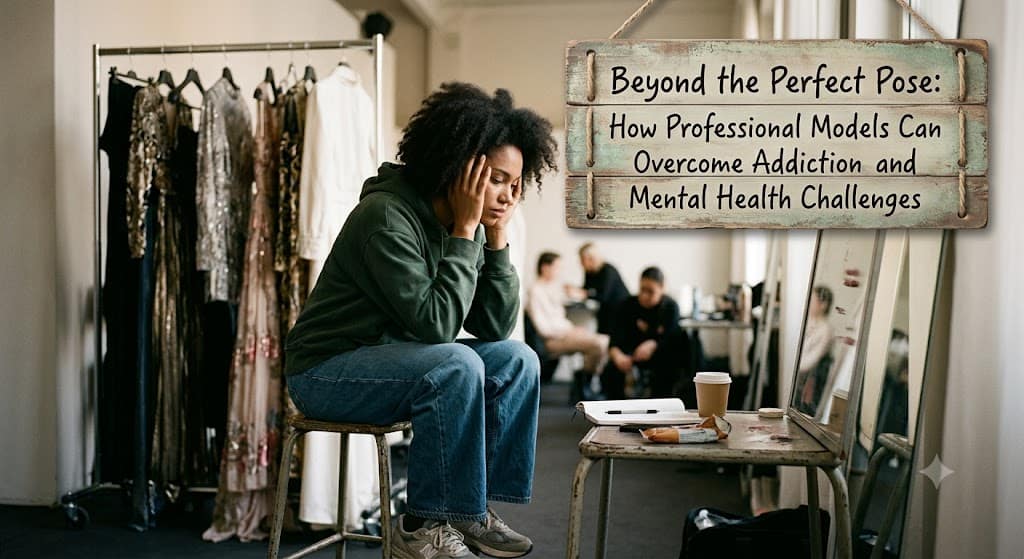
Beyond the Perfect Pose: How Professional Models Can Overcome Addiction and Mental Health Challenges

From the outside, a modeling career can appear glamorous and effortless. Fashion shows, luxury campaigns, magazine covers, and social media attention often paint a picture of success and confidence. Yet behind the perfect pose, many professional models face emotional struggles that remain hidden from public view. Constant pressure to meet beauty standards, unpredictable work schedules, frequent travel, and relentless competition can affect mental health and increase the risk of substance use. The good news is that recovery is possible. With compassionate, individualized care, professional models can overcome addiction, strengthen their mental health, and build a life that is healthy, balanced, and fulfilling.

The Reality Behind the Camera

Modeling is a profession built on creativity and self expression, but it is also one that demands resilience. Many of the industry’s expectations can place tremendous emotional strain on individuals over time.

Living Under Constant Pressure

Professional models are often expected to maintain strict physical standards while adapting to changing trends and client expectations. Every audition, fitting, and photoshoot can feel like an evaluation of personal worth.

This ongoing pressure may contribute to anxiety, perfectionism, and low self confidence. Repeated rejection or fear of losing work can also increase emotional stress, making it more difficult to maintain a healthy mindset.

An Unpredictable Lifestyle

Unlike traditional careers, modeling often involves irregular schedules, extensive travel, and uncertain income. These factors can make it difficult to establish routines, maintain close relationships, or prioritize self care.

Without strong emotional support, feelings of loneliness and burnout may begin to grow. Over time, these challenges can affect both mental and physical well being.

How Mental Health and Addiction Become Connected

Mental health challenges and addiction frequently occur together. When emotional distress is left untreated, some individuals begin using substances to manage overwhelming feelings or escape daily pressures.

Why Substance Use May Begin

Professional models may turn to alcohol or drugs for several reasons, including:

  • Coping with stress before castings or fashion events
  • Managing anxiety or social pressure
  • Maintaining energy during demanding schedules
  • Suppressing appetite to meet unrealistic expectations
  • Escaping feelings of isolation or disappointment

Although these behaviors may seem helpful in the moment, they often lead to dependency and make emotional challenges even more difficult over time.

Co-Occurring Mental Health Conditions

Many individuals struggling with addiction also experience anxiety disorders, depression, trauma, eating disorders, or chronic stress. These co-occurring conditions require integrated treatment that addresses both substance use and mental health simultaneously.

Treating only one issue often leaves underlying emotional challenges unresolved. Comprehensive care creates a stronger foundation for lasting recovery.

Recognizing When Help Is Needed

Seeking professional support early can prevent addiction and mental health conditions from becoming more severe. Some common warning signs include:

Emotional and Behavioral Changes

  • Increased reliance on alcohol or drugs to cope with stress
  • Persistent sadness, anxiety, or emotional exhaustion
  • Difficulty maintaining work responsibilities
  • Withdrawal from family, friends, or colleagues
  • Changes in appetite, sleep, or energy levels
  • Loss of confidence or motivation

Recognizing these signs is not a reason for shame. Instead, it is an opportunity to begin healing with the support of experienced professionals.

Effective Treatment for Professional Models

Recovery looks different for every individual. Personalized treatment plans allow care to reflect each person’s experiences, challenges, and goals.

Inpatient Treatment for Comprehensive Support

Inpatient programs provide a structured and supportive environment where individuals can focus entirely on recovery. Medical supervision, individual counseling, group therapy, and wellness activities work together to address both addiction and mental health conditions.

This level of care is particularly beneficial for individuals experiencing severe substance use or complex emotional challenges.

Outpatient Care for Flexible Recovery

Outpatient treatment offers professional support while allowing individuals to continue managing work, family, or personal responsibilities. Therapy sessions, relapse prevention planning, and peer support help individuals strengthen recovery skills in everyday life.

Many people transition from inpatient care to outpatient services as they continue building long term wellness.

Healing Through Holistic and Faith Based Approaches

True recovery involves healing every aspect of life, not simply stopping substance use.

Holistic Care Promotes Overall Wellness

Holistic treatment may include mindfulness practices, nutritional counseling, exercise, stress management techniques, creative therapies, and wellness education. These approaches help individuals develop healthier ways to respond to life’s challenges while improving emotional resilience.

Learning practical coping strategies reduces dependence on unhealthy behaviors and supports sustainable recovery.

Spiritual Support Can Inspire Hope

For individuals who value faith, spiritual guidance can become a meaningful part of the healing process. Faith based recovery programs combine evidence based clinical care with spiritual encouragement that fosters hope, forgiveness, purpose, and inner strength.

This balanced approach helps many people reconnect with their values while building confidence for the future.

Building a Healthy Identity Beyond the Industry

Recovery is about much more than overcoming addiction. It is about rediscovering personal worth beyond appearance or professional success.

Therapy helps professional models strengthen self esteem, establish healthy boundaries, improve communication, and develop positive coping skills. Family involvement and peer support further reinforce long term healing by creating a network of encouragement and accountability.

As emotional resilience grows, individuals become better equipped to navigate career challenges without sacrificing their mental health or well being.

Conclusion: Recovery Begins With One Courageous Step

Behind every perfect pose is a real person deserving of compassion, understanding, and support. The pressures of professional modeling can contribute to mental health challenges and addiction, but they do not have to define the future.

With individualized treatment, comprehensive mental health care, inpatient and outpatient services, holistic therapies, and faith based support, lasting recovery is within reach. If you or someone you care about is struggling with addiction or emotional distress, reaching out for professional help is a powerful first step. Healing is possible, and with the right guidance, professional models can move beyond the pressures of the industry and embrace a healthier, more hopeful future.

Breaking the Cycle: Supporting Professional Models Through Mental Health and Addiction Recovery

The fashion industry is known for its creativity, innovation, and influence, but behind the camera flashes and runway lights, many professional models face challenges that are rarely discussed. Constant pressure to maintain a certain appearance, unpredictable work schedules, frequent travel, and intense competition can take a serious toll on mental health. For some, these stressors contribute to substance use as a way to cope with anxiety, emotional exhaustion, or feelings of isolation. Fortunately, addiction and mental health struggles do not have to define a person’s future. With compassionate care, individualized treatment, and ongoing support, professional models can break the cycle and build healthier, more fulfilling lives.

Understanding the Pressures of Professional Modeling

Modeling is much more than looking good in front of a camera. It is a demanding career that requires resilience, adaptability, and the ability to perform under constant scrutiny.

The Weight of Unrealistic Expectations

Professional models often work in environments where appearance is closely evaluated. Body shape, weight, skin quality, and overall presentation can influence career opportunities, making many individuals feel as though they are constantly being judged.

This pressure can lead to chronic stress, anxiety, perfectionism, and low self esteem. Over time, the emotional burden may become overwhelming, especially without healthy ways to process disappointment or rejection.

A Career Filled With Uncertainty

Unlike many professions, modeling offers little predictability. Bookings can fluctuate dramatically, contracts may be short term, and careers often depend on changing trends and client preferences.

Financial uncertainty, inconsistent schedules, and frequent travel can make it difficult to establish routines or maintain close personal relationships. This instability can increase emotional vulnerability and contribute to mental health struggles.

The Relationship Between Mental Health and Addiction

Mental health disorders and substance use disorders often occur together. In high pressure industries such as modeling, untreated emotional distress may increase the likelihood of turning to alcohol or drugs for temporary relief.

Why Substance Use Can Become a Coping Mechanism

Some professional models may begin using substances to:

  • Manage anxiety before castings or fashion events
  • Stay energized during demanding schedules
  • Reduce emotional stress after rejection
  • Suppress appetite to meet industry expectations
  • Escape feelings of loneliness or burnout

Although these behaviors may seem helpful in the short term, they often lead to greater emotional and physical difficulties over time.

Recognizing the Warning Signs

Understanding when professional support is needed can make recovery more successful. Common warning signs include:

  • Increased dependence on alcohol or drugs
  • Persistent anxiety or depression
  • Mood swings or emotional withdrawal
  • Difficulty meeting work responsibilities
  • Sleep disturbances or changes in appetite
  • Loss of interest in relationships or activities

Early intervention provides the best opportunity for lasting recovery.

Why Comprehensive Treatment Matters

Effective addiction recovery addresses much more than substance use. It also focuses on the emotional, psychological, physical, and spiritual factors that contribute to long term healing.

Inpatient Treatment for Focused Recovery

Inpatient programs provide a structured environment where individuals can temporarily step away from external pressures and fully concentrate on recovery.

Medical supervision, evidence based therapies, counseling, and peer support help individuals stabilize while addressing both addiction and co-occurring mental health conditions.

Outpatient Care for Continued Progress

Outpatient treatment allows individuals to receive ongoing care while maintaining work, school, or family responsibilities. Flexible scheduling supports recovery without completely interrupting daily life.

These programs often include individual therapy, group counseling, relapse prevention planning, and family involvement to strengthen long term success.

Healing Through Holistic and Faith Based Care

Recovery is most effective when it supports the whole person rather than focusing only on addiction.

Holistic Wellness Supports Lasting Change

Holistic treatment may include mindfulness practices, exercise, nutritional counseling, stress management techniques, and creative therapies that improve emotional and physical well being.

These approaches help individuals develop healthier coping skills while reducing dependence on harmful substances.

Faith Can Strengthen the Recovery Journey

For many people, spiritual growth becomes an important source of hope during recovery. Faith based treatment combines compassionate clinical care with spiritual guidance that encourages healing, forgiveness, resilience, and renewed purpose.

This integrated approach provides additional emotional strength during difficult moments.

Individualized Care Creates Better Outcomes

Every model has a unique personal story. Some struggle primarily with anxiety, while others may face depression, trauma, eating disorders, or substance dependency. Individualized treatment plans ensure that every person receives care tailored to their specific needs and recovery goals.

Personalized care may include individual counseling, trauma informed therapy, family support, medication management when appropriate, and comprehensive aftercare planning. Addressing every aspect of recovery helps build a stronger foundation for lasting wellness.

Building a Healthier Future Beyond the Runway

Recovery is about much more than achieving sobriety. It is about creating a balanced life where self worth is no longer determined by appearance, career success, or outside approval.

Professional models who develop healthy coping strategies, establish supportive relationships, and prioritize emotional wellness often find greater confidence both personally and professionally. Therapy and continued support help individuals navigate industry challenges while protecting their mental health.

Breaking the cycle also means recognizing that asking for help is a sign of strength. Recovery empowers individuals to move forward with resilience, purpose, and renewed confidence.

Conclusion: Every Journey Toward Healing Begins With One Step

The pressures of the modeling industry can contribute to mental health challenges and addiction, but these experiences do not have to define a person’s future. With compassionate care, individualized treatment, holistic therapies, faith based support, and comprehensive addiction recovery services, healing is entirely possible.

If you or someone you care about is struggling with substance use or emotional distress, reaching out for professional help is the first step toward lasting recovery. By addressing both mental health and addiction together, individuals can break the cycle, restore their well being, and create a healthier future filled with hope, strength, and lasting purpose.