The fashion modeling industry is often associated with beauty, success, and global opportunity. Runways, campaigns, and editorial shoots create an image of confidence and prestige that many aspire to. Yet behind the polished surface, there is another reality that is far less visible. Many professional models experience intense pressure, emotional strain, and environments that can contribute to mental health challenges and substance use. Understanding the dysfunction within the fashion industry is an important step toward awareness, prevention, and meaningful recovery.
The Hidden Pressures Within the Modeling World
While modeling can be a rewarding career, it is also an industry built on constant evaluation and high expectations. These pressures can deeply affect emotional well-being over time.
Appearance-Based Expectations and Constant Evaluation
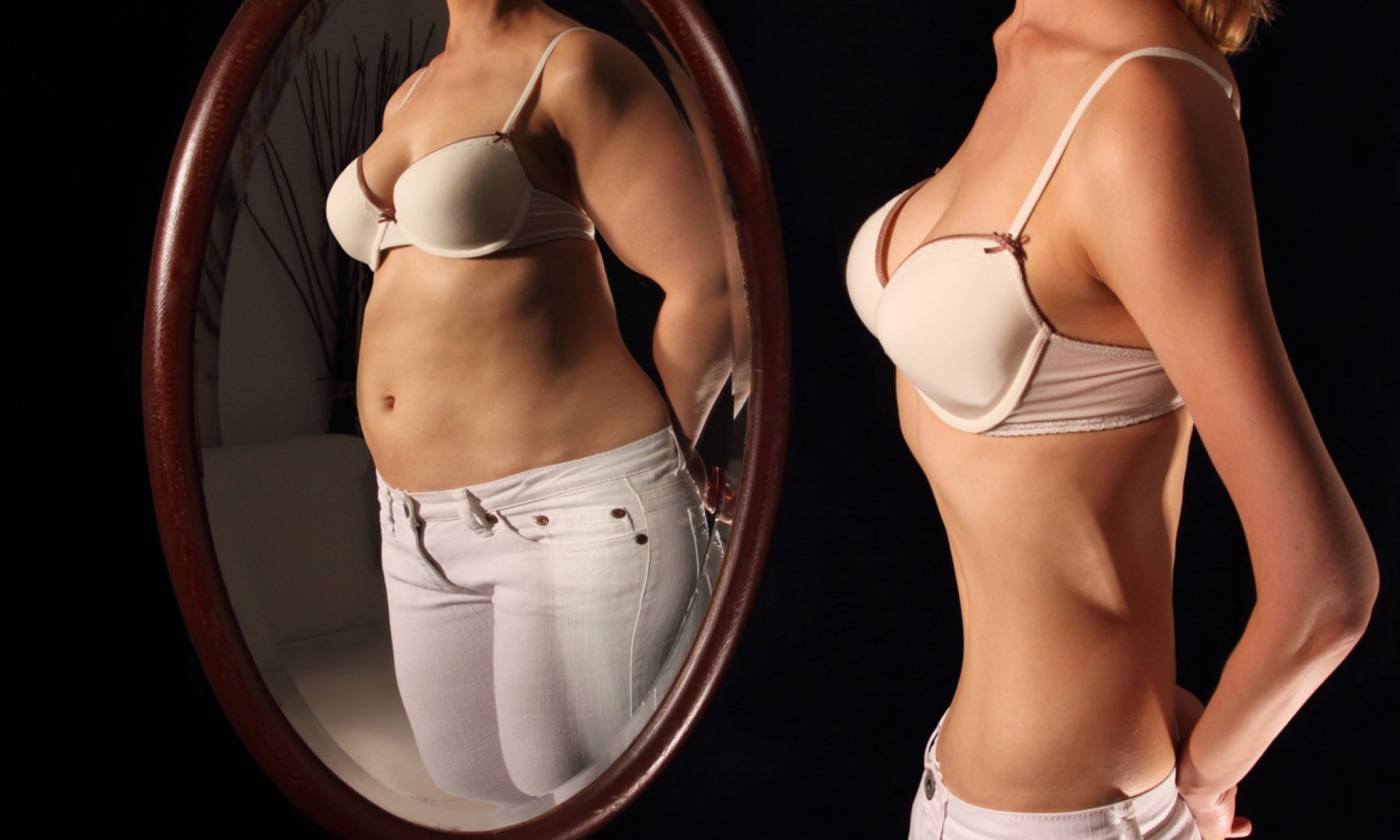
Models are regularly assessed on physical appearance, including weight, body proportions, skin condition, and overall presentation. This level of scrutiny can create ongoing stress and self-doubt. For some individuals, the pressure to meet these expectations leads to unhealthy coping behaviors, including restrictive eating patterns or substance use such as stimulants, alcohol, or prescription medications. These coping methods may begin as short-term solutions but can quickly develop into dependency.
High Competition and Career Instability
The modeling industry is highly competitive and unpredictable. Work can be inconsistent, with long periods between bookings and frequent travel. This instability can create financial stress and emotional exhaustion. Many models also experience isolation due to time spent away from family and support systems. Without stable emotional grounding, individuals may become more vulnerable to anxiety, depression, and substance use.
The Link Between Dysfunction, Mental Health, and Addiction
Dysfunction in the fashion modeling industry often contributes to co-occurring mental health and substance use disorders. Anxiety, depression, trauma, and eating disorders are commonly reported among individuals in high-pressure creative industries.
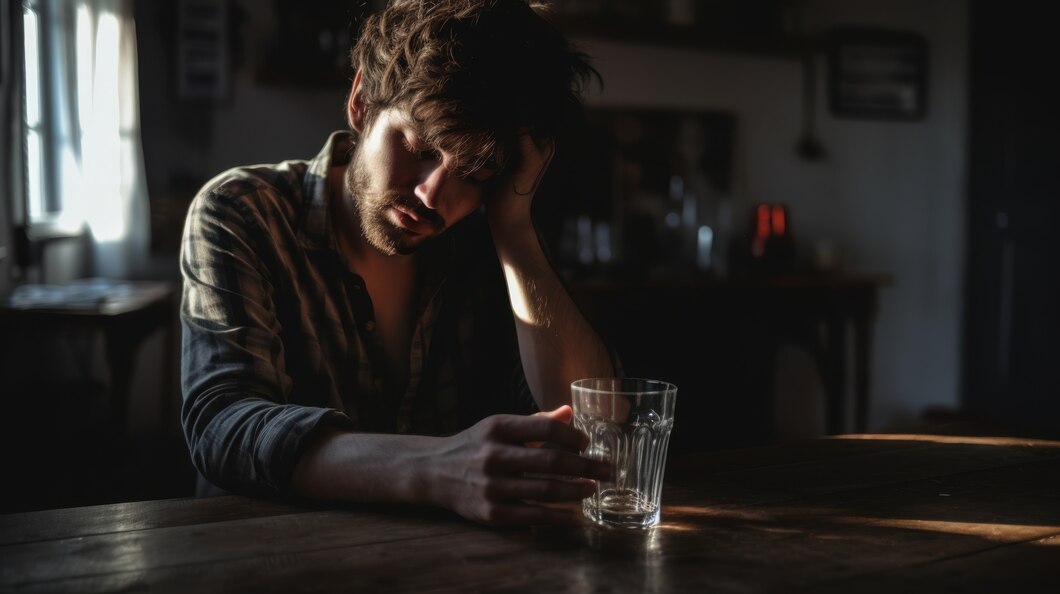
When mental health concerns are not addressed, substance use may become a way to manage emotional distress. Over time, this can develop into addiction. Effective recovery requires treating both the mental health condition and the substance use disorder together, rather than separately.
Recognizing the Warning Signs
Early recognition of mental health and substance use issues can make recovery more successful. Some common signs include:
- Increased reliance on substances to manage stress or emotions
- Emotional withdrawal or detachment from others
- Difficulty maintaining professional responsibilities
- Changes in sleep patterns, appetite, or energy levels
- Feelings of anxiety, hopelessness, or emotional instability
Recognizing these signs is a critical step toward seeking help and beginning the healing process.
Pathways to Recovery in a High-Pressure Industry
Recovery is possible, even for those working in demanding environments like fashion modeling. Effective treatment focuses on individualized care, emotional healing, and long-term stability.
Inpatient and Outpatient Treatment Options
Inpatient treatment provides a structured environment with 24-hour support, therapy, and medical care. This level of care is often beneficial for individuals experiencing severe addiction or co-occurring mental health conditions.
Outpatient programs offer flexibility, allowing individuals to continue work or personal responsibilities while receiving regular therapy and support. These programs focus on building coping skills, emotional regulation, and relapse prevention strategies.
Holistic and Faith-Based Healing Approaches
Holistic treatment addresses the whole person, including mental, physical, and emotional well-being. Approaches may include mindfulness practices, movement therapy, nutrition support, and stress management techniques.
Faith-based care provides spiritual guidance and emotional support for those who seek meaning and connection during recovery. This approach can help individuals rebuild hope and strengthen resilience throughout the healing journey.
Individualized Treatment for Sustainable Recovery
Every recovery journey is unique. Individualized treatment plans ensure that care is tailored to each person’s needs, lifestyle, and professional environment. Personalized support increases engagement in treatment and helps individuals build long-term strategies for maintaining mental health and sobriety.
Rebuilding Identity Beyond the Industry
Recovery is not only about stopping substance use. It is also about rediscovering identity beyond external validation. In the modeling industry, where appearance and performance are heavily emphasized, learning to separate self-worth from professional success is essential.
Through therapy, peer support, and ongoing care, individuals can develop healthier coping strategies, set boundaries, and build emotional resilience. These skills allow models to continue their careers while protecting their mental and emotional well-being.
Conclusion: Moving From Dysfunction to Healing
The fashion modeling industry can create environments that contribute to mental health struggles and addiction. However, dysfunction does not have to define the future. With compassionate care, individualized treatment, and holistic support, recovery is possible.
If you or someone you love is struggling with addiction or mental health challenges, reaching out for professional help is a powerful first step. Healing is not only about recovery from substance use. It is about building a balanced, healthy life grounded in stability, self-worth, and lasting well-being.