
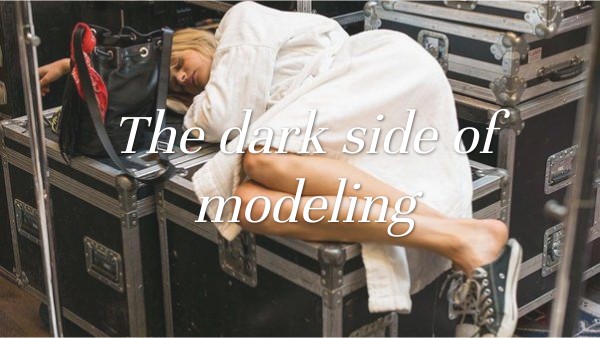
The modeling industry is often portrayed as exciting, glamorous, and full of opportunity. Runway shows, global travel, and high-profile campaigns create a powerful image of success. Yet beneath the surface, many professional models face intense pressure, emotional strain, and a constant need to perform. These challenges can affect mental health and, for some, lead to substance use and addiction. Understanding the darker side of modeling is an important step toward finding support, healing, and long-term recovery.
The Reality of a High-Pressure Career
Modeling is more than posing for photos or walking a runway. It is a demanding career where individuals are judged not only on performance but also on appearance, personality, and marketability. This constant evaluation can create an environment where stress builds over time.
The Weight of Expectations
Models are expected to meet strict standards related to body shape, weight, skin condition, and overall image. These expectations can change quickly depending on trends, clients, or agencies. As a result, many models feel pressure to constantly adjust their appearance to stay competitive.
This pressure can lead to anxiety, low self-esteem, and body image concerns. In some cases, individuals turn to substances such as stimulants, alcohol, or prescription medications to cope with stress, control appetite, or maintain energy levels. While these methods may provide temporary relief, they can lead to dependency and long-term health consequences.
Unpredictability and Emotional Strain
The modeling industry is known for its unpredictability. Jobs can be inconsistent, and success often depends on factors outside of a model’s control. Frequent travel, irregular schedules, and time away from support systems can contribute to isolation and emotional fatigue.
Without stable routines or strong support networks, it becomes more difficult to manage stress in healthy ways. This increases the risk of turning to substances as a coping mechanism.
The Link Between Stress, Mental Health, and Addiction
Stress alone does not cause addiction, but it can play a significant role in its development. In high-pressure environments like modeling, chronic stress often intersects with mental health challenges such as anxiety, depression, trauma, or eating disorders.
Substance use may begin as a way to manage these feelings, but over time, it can develop into a pattern that is difficult to control. Effective treatment requires addressing both the mental health condition and the substance use disorder together.
Recognizing the Signs of a Problem
Early awareness is key to preventing long-term harm. Some common warning signs include:
- Increasing reliance on substances to cope with stress
- Persistent feelings of anxiety, sadness, or emotional exhaustion
- Withdrawal from friends, family, or professional relationships
- Difficulty maintaining focus or meeting work expectations
- Physical symptoms such as fatigue, sleep disruption, or changes in appetite
Recognizing these signs is the first step toward seeking meaningful support.
Finding the Right Support for Recovery
Recovery is possible, even in demanding careers like modeling. With the right support, individuals can regain control, improve mental health, and build a more balanced life.
Inpatient and Outpatient Treatment Options
Inpatient programs offer a structured environment with 24-hour care, therapy, and medical support. This level of care is often recommended for individuals with more severe addiction or co-occurring mental health conditions.
Outpatient programs provide flexibility, allowing individuals to receive therapy and support while continuing to manage personal or professional responsibilities. Both options focus on building coping skills, emotional resilience, and relapse prevention strategies.
Holistic and Faith-Based Healing
Holistic approaches to recovery address the whole person, not just the symptoms of addiction. Practices such as mindfulness, movement therapy, nutrition support, and stress management help restore balance and improve overall well-being.
For those who seek spiritual guidance, faith-based programs can offer comfort, purpose, and a deeper sense of connection. These elements often play a powerful role in sustaining long-term recovery.
Individualized Care for Lasting Change
Every person’s experience with addiction is different. Personalized treatment plans ensure that care is tailored to individual needs, goals, and life circumstances. This approach helps individuals feel supported and engaged throughout the recovery process.
Building a Healthier Future Beyond the Industry
Recovery is not just about stopping substance use. It is about developing healthier ways to cope with stress, building strong relationships, and creating a sense of stability. Models who invest in their mental health are better equipped to navigate the demands of their careers while protecting their well-being.
Therapy, peer support, and ongoing care provide tools for setting boundaries, managing pressure, and maintaining emotional balance. These skills support both personal growth and professional success.
Conclusion: Taking the First Step Toward Healing
The modeling industry can present significant challenges that impact mental health and increase the risk of addiction. However, these challenges do not have to define the future. With compassionate care, professional support, and individualized treatment, recovery is within reach.
If you or someone you love is struggling with addiction or emotional stress, reaching out for help is a powerful and important step. Support is available, and healing is possible. A healthier, more balanced life can begin today with the decision to seek care and move forward with confidence and hope.