
The Dark Side of Modeling: Addiction, Stress, and Finding Support in a High-Pressure Career

The modeling industry is often portrayed as exciting, glamorous, and full of opportunity. Runway shows, global travel, and high-profile campaigns create a powerful image of success. Yet beneath the surface, many professional models face intense pressure, emotional strain, and a constant need to perform. These challenges can affect mental health and, for some, lead to substance use and addiction. Understanding the darker side of modeling is an important step toward finding support, healing, and long-term recovery.

The Reality of a High-Pressure Career

Modeling is more than posing for photos or walking a runway. It is a demanding career where individuals are judged not only on performance but also on appearance, personality, and marketability. This constant evaluation can create an environment where stress builds over time.

The Weight of Expectations

Models are expected to meet strict standards related to body shape, weight, skin condition, and overall image. These expectations can change quickly depending on trends, clients, or agencies. As a result, many models feel pressure to constantly adjust their appearance to stay competitive.

This pressure can lead to anxiety, low self-esteem, and body image concerns. In some cases, individuals turn to substances such as stimulants, alcohol, or prescription medications to cope with stress, control appetite, or maintain energy levels. While these methods may provide temporary relief, they can lead to dependency and long-term health consequences.

Unpredictability and Emotional Strain

The modeling industry is known for its unpredictability. Jobs can be inconsistent, and success often depends on factors outside of a model’s control. Frequent travel, irregular schedules, and time away from support systems can contribute to isolation and emotional fatigue.

Without stable routines or strong support networks, it becomes more difficult to manage stress in healthy ways. This increases the risk of turning to substances as a coping mechanism.

The Link Between Stress, Mental Health, and Addiction

Stress alone does not cause addiction, but it can play a significant role in its development. In high-pressure environments like modeling, chronic stress often intersects with mental health challenges such as anxiety, depression, trauma, or eating disorders.

Substance use may begin as a way to manage these feelings, but over time, it can develop into a pattern that is difficult to control. Effective treatment requires addressing both the mental health condition and the substance use disorder together.

Recognizing the Signs of a Problem

Early awareness is key to preventing long-term harm. Some common warning signs include:

  • Increasing reliance on substances to cope with stress
  • Persistent feelings of anxiety, sadness, or emotional exhaustion
  • Withdrawal from friends, family, or professional relationships
  • Difficulty maintaining focus or meeting work expectations
  • Physical symptoms such as fatigue, sleep disruption, or changes in appetite

Recognizing these signs is the first step toward seeking meaningful support.

Finding the Right Support for Recovery

Recovery is possible, even in demanding careers like modeling. With the right support, individuals can regain control, improve mental health, and build a more balanced life.

Inpatient and Outpatient Treatment Options

Inpatient programs offer a structured environment with 24-hour care, therapy, and medical support. This level of care is often recommended for individuals with more severe addiction or co-occurring mental health conditions.

Outpatient programs provide flexibility, allowing individuals to receive therapy and support while continuing to manage personal or professional responsibilities. Both options focus on building coping skills, emotional resilience, and relapse prevention strategies.

Holistic and Faith-Based Healing

Holistic approaches to recovery address the whole person, not just the symptoms of addiction. Practices such as mindfulness, movement therapy, nutrition support, and stress management help restore balance and improve overall well-being.

For those who seek spiritual guidance, faith-based programs can offer comfort, purpose, and a deeper sense of connection. These elements often play a powerful role in sustaining long-term recovery.

Individualized Care for Lasting Change

Every person’s experience with addiction is different. Personalized treatment plans ensure that care is tailored to individual needs, goals, and life circumstances. This approach helps individuals feel supported and engaged throughout the recovery process.

Building a Healthier Future Beyond the Industry

Recovery is not just about stopping substance use. It is about developing healthier ways to cope with stress, building strong relationships, and creating a sense of stability. Models who invest in their mental health are better equipped to navigate the demands of their careers while protecting their well-being.

Therapy, peer support, and ongoing care provide tools for setting boundaries, managing pressure, and maintaining emotional balance. These skills support both personal growth and professional success.

Conclusion: Taking the First Step Toward Healing

The modeling industry can present significant challenges that impact mental health and increase the risk of addiction. However, these challenges do not have to define the future. With compassionate care, professional support, and individualized treatment, recovery is within reach.

If you or someone you love is struggling with addiction or emotional stress, reaching out for help is a powerful and important step. Support is available, and healing is possible. A healthier, more balanced life can begin today with the decision to seek care and move forward with confidence and hope.
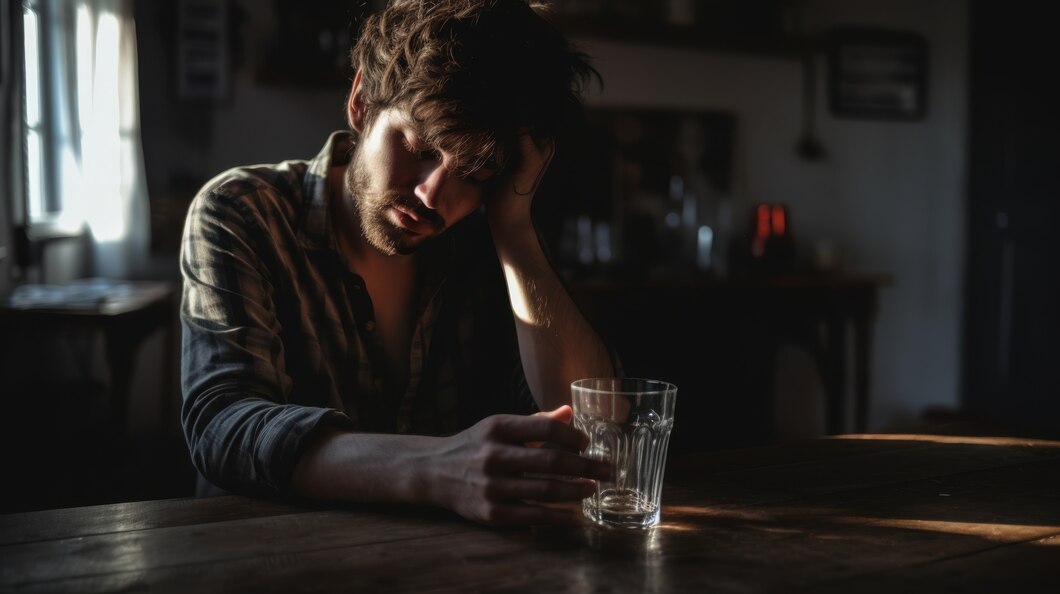
From Runway to Recovery: Understanding Dysfunction in the Fashion Modeling Industry

The fashion modeling industry is often associated with beauty, success, and global opportunity. Runways, campaigns, and editorial shoots create an image of confidence and prestige that many aspire to. Yet behind the polished surface, there is another reality that is far less visible. Many professional models experience intense pressure, emotional strain, and environments that can contribute to mental health challenges and substance use. Understanding the dysfunction within the fashion industry is an important step toward awareness, prevention, and meaningful recovery.

The Hidden Pressures Within the Modeling World

While modeling can be a rewarding career, it is also an industry built on constant evaluation and high expectations. These pressures can deeply affect emotional well-being over time.

Appearance-Based Expectations and Constant Evaluation

Models are regularly assessed on physical appearance, including weight, body proportions, skin condition, and overall presentation. This level of scrutiny can create ongoing stress and self-doubt. For some individuals, the pressure to meet these expectations leads to unhealthy coping behaviors, including restrictive eating patterns or substance use such as stimulants, alcohol, or prescription medications. These coping methods may begin as short-term solutions but can quickly develop into dependency.

High Competition and Career Instability

The modeling industry is highly competitive and unpredictable. Work can be inconsistent, with long periods between bookings and frequent travel. This instability can create financial stress and emotional exhaustion. Many models also experience isolation due to time spent away from family and support systems. Without stable emotional grounding, individuals may become more vulnerable to anxiety, depression, and substance use.

The Link Between Dysfunction, Mental Health, and Addiction

Dysfunction in the fashion modeling industry often contributes to co-occurring mental health and substance use disorders. Anxiety, depression, trauma, and eating disorders are commonly reported among individuals in high-pressure creative industries.

When mental health concerns are not addressed, substance use may become a way to manage emotional distress. Over time, this can develop into addiction. Effective recovery requires treating both the mental health condition and the substance use disorder together, rather than separately.

Recognizing the Warning Signs

Early recognition of mental health and substance use issues can make recovery more successful. Some common signs include:

  • Increased reliance on substances to manage stress or emotions
  • Emotional withdrawal or detachment from others
  • Difficulty maintaining professional responsibilities
  • Changes in sleep patterns, appetite, or energy levels
  • Feelings of anxiety, hopelessness, or emotional instability

Recognizing these signs is a critical step toward seeking help and beginning the healing process.

Pathways to Recovery in a High-Pressure Industry

Recovery is possible, even for those working in demanding environments like fashion modeling. Effective treatment focuses on individualized care, emotional healing, and long-term stability.

Inpatient and Outpatient Treatment Options

Inpatient treatment provides a structured environment with 24-hour support, therapy, and medical care. This level of care is often beneficial for individuals experiencing severe addiction or co-occurring mental health conditions.

Outpatient programs offer flexibility, allowing individuals to continue work or personal responsibilities while receiving regular therapy and support. These programs focus on building coping skills, emotional regulation, and relapse prevention strategies.

Holistic and Faith-Based Healing Approaches

Holistic treatment addresses the whole person, including mental, physical, and emotional well-being. Approaches may include mindfulness practices, movement therapy, nutrition support, and stress management techniques.

Faith-based care provides spiritual guidance and emotional support for those who seek meaning and connection during recovery. This approach can help individuals rebuild hope and strengthen resilience throughout the healing journey.

Individualized Treatment for Sustainable Recovery

Every recovery journey is unique. Individualized treatment plans ensure that care is tailored to each person’s needs, lifestyle, and professional environment. Personalized support increases engagement in treatment and helps individuals build long-term strategies for maintaining mental health and sobriety.

Rebuilding Identity Beyond the Industry

Recovery is not only about stopping substance use. It is also about rediscovering identity beyond external validation. In the modeling industry, where appearance and performance are heavily emphasized, learning to separate self-worth from professional success is essential.

Through therapy, peer support, and ongoing care, individuals can develop healthier coping strategies, set boundaries, and build emotional resilience. These skills allow models to continue their careers while protecting their mental and emotional well-being.

Conclusion: Moving From Dysfunction to Healing

The fashion modeling industry can create environments that contribute to mental health struggles and addiction. However, dysfunction does not have to define the future. With compassionate care, individualized treatment, and holistic support, recovery is possible.

If you or someone you love is struggling with addiction or mental health challenges, reaching out for professional help is a powerful first step. Healing is not only about recovery from substance use. It is about building a balanced, healthy life grounded in stability, self-worth, and lasting well-being.

Behind the Glamour: The Hidden Risks of Mental Health and Substance Use in Fashion Modeling

The fashion modeling industry is often seen as a world of glamour, luxury, and opportunity. Runways, photo shoots, and global campaigns create an image of success that many aspire to. However, behind the polished exterior, many professional models face significant mental health challenges and an increased risk of substance use. The pressure to maintain appearance, perform under constant scrutiny, and navigate an unpredictable career can take a serious toll on emotional well-being. Understanding these hidden risks is essential for prevention, awareness, and long-term recovery.

The Reality Behind the Fashion Industry

While modeling can be a rewarding career, it is also an environment defined by intense expectations and constant evaluation. These conditions can create emotional strain that is often overlooked.

Constant Pressure to Maintain Appearance

Professional models are regularly judged on physical appearance, including body shape, weight, skin condition, and overall presentation. This ongoing scrutiny can lead to anxiety, perfectionism, and body image concerns. In some cases, individuals may turn to substances such as stimulants, alcohol, or prescription medications to manage stress, control appetite, or maintain energy levels. Over time, these coping strategies can develop into dependency and addiction.

Unpredictable Careers and Emotional Stress

Modeling careers are often unstable, with irregular bookings, frequent travel, and short-term contracts. This lack of consistency can lead to financial uncertainty and emotional instability. Many models also experience isolation due to time away from family and support systems. Without healthy coping mechanisms, stress can build and increase vulnerability to substance use and mental health challenges.

The Connection Between Mental Health and Substance Use

Mental health and addiction are deeply connected, especially in high-pressure industries like fashion modeling. Anxiety, depression, trauma, and eating disorders are commonly experienced alongside substance use disorders.

Treating addiction without addressing underlying mental health concerns often leads to incomplete recovery. Integrated treatment that focuses on both areas provides a stronger foundation for healing and long-term stability.

Recognizing Early Warning Signs

Early intervention is critical for effective recovery. Common signs that a model may be struggling include:

  • Increased reliance on substances to manage stress or emotions
  • Withdrawal from friends, family, or professional networks
  • Sudden changes in mood, behavior, or energy levels
  • Difficulty maintaining work responsibilities or focus
  • Physical health changes such as fatigue, insomnia, or appetite disruption

Identifying these signs early can help individuals seek support before challenges escalate.

Pathways to Recovery and Healing

Recovery from substance use and mental health challenges requires a compassionate and individualized approach. Effective treatment addresses the whole person, not just the symptoms.

Inpatient and Outpatient Treatment Options

Inpatient programs provide structured, round-the-clock care in a safe and supportive environment. These programs are often best for individuals with severe addiction or co-occurring mental health conditions. Outpatient programs offer flexibility, allowing individuals to continue working or managing personal responsibilities while receiving therapy, counseling, and support.

Both approaches focus on building coping skills, improving emotional regulation, and supporting long-term recovery.

Holistic and Faith-Based Support

Holistic treatment recognizes that recovery involves the mind, body, and spirit. Approaches such as mindfulness, movement therapy, nutritional support, and stress management techniques help restore balance and resilience.

Faith-based programs offer spiritual guidance and emotional support for those seeking meaning, hope, and strength during recovery. These approaches can provide a deeper sense of purpose and connection throughout the healing journey.

Individualized Care for Lasting Recovery

No two recovery journeys are the same. Individualized treatment plans ensure that care is tailored to each person’s mental health needs, lifestyle, and professional demands. This personalized approach increases engagement, improves outcomes, and supports long-term wellness.

Building Strength Beyond the Runway

Recovery is not only about stopping substance use. It is about developing resilience, emotional stability, and healthier ways of coping with stress. Through therapy, peer support, and ongoing care, individuals can learn to set boundaries, manage pressure, and rebuild self-worth beyond external validation.

These skills are especially important in the fashion industry, where appearance and performance often feel closely tied to identity. Learning to separate personal value from professional expectations is a powerful step toward lasting recovery.

Conclusion: Moving Toward Real Healing

Behind the glamour of fashion modeling, many individuals face real and often hidden struggles with mental health and substance use. These challenges are serious, but they are also treatable. With compassionate care, individualized treatment, and a holistic approach to healing, recovery is possible.

If you or someone you love is experiencing these challenges, reaching out for professional support is a strong and important first step. Healing is not only about leaving behind addiction. It is about building a healthier, more balanced life with clarity, confidence, and lasting well-being.

The Troubled Model: How Industry Pressure Drives Addiction and Mental Health Struggles

The modeling industry is often perceived as glamorous, exciting, and full of opportunity. Magazine covers, runway shows, and international campaigns project an image of success that draws countless aspiring models. Behind the glamour, however, lies a reality many professionals face: constant pressure, emotional strain, and heightened risk for addiction and mental health challenges. Recognizing how industry stress affects models is essential for prevention, early intervention, and recovery.

The Pressures Unique to the Modeling Industry

Modeling is a high-stakes profession where personal value is often tied to appearance, performance, and public perception. While this can drive creativity and motivation, it also introduces significant stressors.

Maintaining Appearance in a Critical Environment

Professional models are under continuous scrutiny regarding weight, skin, posture, and overall image. Agencies, clients, and even the public exert pressure to conform to unrealistic beauty standards. This constant evaluation can lead to anxiety, low self-esteem, and body image issues. For some, substances such as stimulants, alcohol, or prescription medications may seem like a solution to manage stress, maintain energy, or control appetite. These coping mechanisms can quickly escalate into addiction.

Career Instability and Emotional Isolation

Modeling careers are rarely linear. Work can be unpredictable, with irregular schedules, short-term contracts, and intense competition. Frequent travel and extended periods away from home can create isolation from family, friends, and support networks. Without effective coping strategies, emotional strain may increase vulnerability to substance use and mental health challenges such as depression or anxiety.

Understanding the Connection Between Mental Health and Addiction

Addiction in the modeling industry often coexists with mental health issues. Anxiety, depression, trauma, and eating disorders are common among models struggling with substance use. Integrated treatment that addresses both addiction and mental health simultaneously is the most effective approach. Addressing only one aspect may leave underlying issues unresolved and increase the risk of relapse.

Recognizing Early Warning Signs

Awareness of early indicators is crucial for intervention. Some signs that a model may need support include:

  • Increased reliance on substances to cope with stress or emotions
  • Persistent feelings of sadness, anxiety, or hopelessness
  • Withdrawal from colleagues, friends, or family
  • Inconsistent work performance or difficulty meeting professional expectations
  • Physical symptoms such as fatigue, sleep disturbances, or health changes

Early recognition allows individuals to seek help before the consequences become more severe.

Pathways to Recovery and Support

Recovery is most effective when it is holistic, personalized, and compassionate. Models benefit from programs that address mental health, substance use, and the specific challenges of their profession.

Inpatient and Outpatient Treatment Options

Inpatient programs provide structured care, including 24-hour medical support, therapy, and guidance for those with severe addiction or co-occurring mental health conditions. Outpatient programs offer flexibility, allowing models to maintain personal and professional responsibilities while engaging in therapy, counseling, and relapse prevention strategies.

Holistic and Faith-Based Approaches

Holistic recovery considers the mind, body, and spirit. Mindfulness practices, movement therapy, nutrition guidance, and stress management help restore balance and resilience. Faith-based programs offer spiritual support, purpose, and encouragement, helping individuals strengthen motivation during recovery.

Individualized Care Plans

Each model’s recovery journey is unique. Personalized treatment plans ensure therapy, counseling, and wellness programs align with the individual’s mental health needs, career considerations, and personal goals. Tailored care fosters engagement, accountability, and sustainable recovery.

Building Resilience Beyond the Industry

Recovery involves more than overcoming addiction. It includes developing tools to manage stress, maintain emotional stability, and set healthy boundaries. Therapy, mentorship, and peer support help models navigate the pressures of their career while preserving mental and emotional well-being. Rebuilding self-worth independent of external validation is a critical step in long-term success.

Conclusion: Taking the First Step Toward Healing

The pressures of the modeling industry can increase vulnerability to addiction and mental health struggles, but recovery is possible. Compassionate, individualized care provides the support necessary to reclaim health, balance, and confidence. Seeking help is a courageous step toward lasting recovery and personal fulfillment. If you or a loved one is facing addiction or emotional challenges, reaching out to a qualified treatment provider is the first step toward healing and resilience beyond the runway.

The Troubled Model: Addiction, Pressure, and the Path to Recovery in Fashion

The fashion modeling industry is often celebrated for its glamour, prestige, and global recognition. Magazine covers, runway shows, and high-profile campaigns create an image of success and luxury. Behind the spotlight, however, many professional models face pressures that can negatively affect mental health and, in some cases, lead to addiction. The intense scrutiny, unpredictable career paths, and constant demands can create an environment where unhealthy coping mechanisms take hold. Understanding these challenges and the pathways to recovery is essential for models, their families, and those supporting them.

The Pressures Facing Professional Models

Modeling is a profession that revolves around appearance, performance, and public perception. While these factors can drive motivation and creativity, they also contribute to stressors that can affect emotional and physical well-being.

Maintaining Appearance Under Constant Scrutiny

Models are evaluated daily on their body, skin, posture, and overall image. This continuous scrutiny can create anxiety, low self-esteem, and body image issues. In response, some individuals may turn to substances such as stimulants, alcohol, or prescription medications to manage stress, control appetite, or maintain energy. Over time, reliance on these coping strategies can develop into addiction, further complicating emotional health.

Career Instability and Emotional Isolation

Modeling careers often involve irregular work schedules, unpredictable bookings, and frequent travel. These conditions can lead to isolation from family, friends, and support systems. The combination of emotional strain and social disconnection increases vulnerability to mental health challenges and substance use.

Understanding the Link Between Addiction and Mental Health

Addiction rarely occurs in isolation. Models struggling with substance use often face co-occurring mental health conditions, including anxiety, depression, trauma, or eating disorders. Treating addiction effectively requires addressing these underlying challenges. Programs that integrate mental health support with substance use treatment offer a more comprehensive path to recovery.

Recognizing the Signs That Help Is Needed

Early intervention can significantly improve outcomes. Warning signs of potential addiction and mental health struggles include:

  • Increased reliance on substances to manage stress or emotions
  • Mood swings or withdrawal from social interactions
  • Difficulty maintaining professional responsibilities
  • Physical symptoms such as fatigue, sleep disturbances, or health changes
  • Feelings of hopelessness, isolation, or lack of control

Identifying these signs allows models and their support networks to seek professional assistance before issues escalate.

Tailored Approaches to Recovery

Recovery is most effective when treatment is individualized, holistic, and responsive to each person’s unique needs.

Inpatient and Outpatient Treatment Options

Inpatient programs provide a structured environment with 24-hour support, therapy, and medical supervision. This setting is beneficial for models with severe addiction or co-occurring mental health concerns. Outpatient programs offer flexibility for individuals who need ongoing support while maintaining personal or professional responsibilities. Both approaches emphasize therapy, relapse prevention, and skill-building for sustainable recovery.

Holistic and Faith-Based Healing

Holistic treatment addresses mind, body, and spirit, helping individuals restore balance and build resilience. Mindfulness practices, movement therapy, nutritional guidance, and stress management techniques strengthen overall well-being. Faith-based programs can provide spiritual support and purpose, offering additional motivation and hope during the recovery process.

Individualized Care Plans

Each model’s experience is unique. Personalized treatment plans ensure that therapy, counseling, and recovery support align with personal values, career goals, and mental health needs. This tailored approach fosters engagement, trust, and long-term success in recovery.

Rebuilding Confidence and Stability

Sustainable recovery involves more than overcoming addiction. It requires learning to manage stress, set boundaries, and build resilience. Therapy, mentorship, and peer support equip models with strategies to navigate the industry while maintaining mental and emotional well-being. Developing a healthier relationship with oneself and one’s career promotes both professional success and personal fulfillment.

Moving Forward With Support

Addiction and mental health challenges are real risks within the modeling industry, but they are not insurmountable. Compassionate, professional care and individualized treatment can help models reclaim their health, confidence, and purpose. Seeking help is a courageous step toward lasting recovery and a balanced life. If you or a loved one is struggling with addiction or emotional challenges, reaching out to a qualified treatment provider is the first step toward a healthier, more resilient future beyond the runway.

Breaking the Illusion: How the Modeling Industry Impacts Emotional Well-Being

The modeling industry is often associated with beauty, confidence, and global success. From magazine covers to international fashion shows, the world sees a polished image of glamour and opportunity. Yet behind the spotlight, many professional models experience emotional challenges that remain hidden from public view. Constant pressure to meet appearance standards, unpredictable careers, and intense competition can affect emotional well-being and contribute to mental health struggles or substance use. Understanding these challenges is the first step toward meaningful support, recovery, and long term wellness.

The Reality Behind the Image

For many people, modeling appears effortless and exciting. In reality, the profession requires a level of resilience that is rarely acknowledged. Models must constantly adapt to demanding schedules, critical feedback, and public expectations.

The Impact of Constant Scrutiny

Professional models are evaluated continuously. Agencies, designers, and clients often focus on body shape, weight, skin condition, and overall presentation. While feedback is part of any performance based career, the frequency and intensity of evaluation in modeling can affect self esteem and emotional stability.

Over time, this environment may lead to anxiety, perfectionism, or feelings of inadequacy. Some individuals begin using substances as a way to manage stress, improve confidence, or maintain energy levels. Unfortunately, these temporary coping methods can increase the risk of addiction.

Career Instability and Isolation

Modeling careers often involve irregular schedules, frequent travel, and periods of uncertainty between bookings. These conditions can make it difficult to maintain stable relationships and support systems. Isolation combined with professional pressure can intensify emotional stress.

Without healthy coping strategies, some models may turn to alcohol, stimulants, or prescription medications to manage fatigue or emotional strain. What begins as occasional use can gradually develop into dependency.

The Connection Between Emotional Well-Being and Addiction

Emotional well-being plays a central role in overall health. When mental health struggles are left unaddressed, individuals may search for relief through substances or other harmful behaviors. Anxiety, depression, trauma, and eating disorders are commonly reported within the fashion industry.

Effective addiction recovery requires addressing these mental health concerns at the same time as substance use. Integrated care allows individuals to understand the root causes of addiction and build healthier coping skills.

Warning Signs That Support May Be Needed

Recognizing early warning signs can help individuals seek help before problems become severe. Some indicators may include:

  • Increased reliance on substances to manage stress
  • Persistent feelings of anxiety or sadness
  • Withdrawal from friends, family, or colleagues
  • Difficulty maintaining professional responsibilities
  • Physical symptoms such as fatigue, insomnia, or changes in appetite

Awareness and early action can make recovery more achievable and sustainable.

Personalized Recovery for Models

Because every individual’s experience is different, recovery programs must be flexible and personalized. Treatment approaches that understand the pressures of the modeling industry can provide meaningful support and practical tools for healing.

Inpatient and Outpatient Care

Inpatient treatment offers a structured environment where individuals can focus completely on recovery. Medical supervision, therapy, and peer support help address both addiction and mental health challenges.

Outpatient programs provide ongoing care while allowing individuals to maintain personal or professional commitments. These programs often include counseling, group therapy, and relapse prevention strategies that support long term stability.

Holistic and Faith Based Healing

True recovery addresses the whole person. Holistic approaches may include mindfulness practices, movement therapy, nutritional support, and stress management techniques that strengthen both physical and emotional health.

For individuals who value spiritual guidance, faith based programs offer encouragement, purpose, and a deeper sense of connection during the healing process. These elements can provide powerful motivation for lasting recovery.

Individualized Treatment Plans

No two recovery journeys are the same. Personalized care plans ensure that treatment reflects each individual’s mental health needs, career considerations, and personal values. This approach helps individuals feel supported and empowered throughout the recovery process.

Building a Healthier Relationship With the Industry

Recovery allows individuals to rebuild their relationship with both themselves and their careers. Through therapy and ongoing support, models can learn to set boundaries, manage stress, and separate personal worth from external validation.

Developing emotional resilience is an essential part of maintaining mental health in a demanding profession. With the right tools and support system, models can continue pursuing their careers while protecting their well-being.

Moving Beyond the Illusion

The modeling industry may appear glamorous, but the emotional challenges behind the scenes are very real. For models struggling with mental health concerns or addiction, help is available. Compassionate treatment, personalized care, and holistic support can create a path toward lasting recovery.

Seeking help is a courageous decision and an important first step toward a healthier future. With the right guidance and support, individuals can move beyond the illusion of perfection and build a life defined by balance, resilience, and genuine well-being.

From Glamour to Grit: Understanding Dysfunction and Addiction in Fashion Modeling

The fashion modeling industry often appears dazzling from the outside. Runway shows, magazine covers, and global travel can create the image of an exciting and rewarding career. Yet many professional models experience a far different reality behind the scenes. Intense pressure, unpredictable work, and constant scrutiny can lead to emotional strain that affects mental health. For some individuals, these pressures contribute to substance use and addiction. Understanding how dysfunction within the modeling world can fuel addiction is an important step toward meaningful recovery and long term wellness.

The Reality Behind the Fashion Industry

Modeling is a profession built on image, performance, and public perception. While it can open doors to incredible opportunities, the industry often places enormous expectations on the people working within it.

Pressure to Maintain Physical Perfection

Professional models are frequently evaluated on appearance. Body shape, weight, skin condition, and overall image are closely monitored by agencies and clients. This constant evaluation can create deep stress and insecurity. Some individuals turn to substances such as stimulants or prescription medications to suppress appetite, boost energy, or manage anxiety. What begins as a coping mechanism can gradually develop into dependency.

A Culture of Competition and Uncertainty

The modeling world is highly competitive. Bookings can change quickly, contracts may be short term, and careers can rise and fall within a few years. This instability can produce anxiety and feelings of isolation. Many models travel frequently and spend long periods away from family or trusted support systems. Without healthy coping strategies, the emotional strain of this lifestyle can increase the risk of substance abuse.

The Connection Between Addiction and Mental Health

Addiction rarely exists on its own. Many models who struggle with substance use also experience mental health challenges such as anxiety, depression, trauma, or eating disorders. These co occurring conditions can reinforce each other, making recovery more complex.

Addressing addiction effectively requires an integrated approach that treats both substance use and mental health concerns. When these issues are treated together, individuals gain the tools they need to build stability and long term recovery.

Recognizing the Warning Signs

Early awareness can make a powerful difference in recovery outcomes. Some common warning signs include:

  • Increased reliance on substances to cope with stress or emotional pain
  • Frequent mood swings or emotional withdrawal
  • Difficulty maintaining professional commitments
  • Physical symptoms such as exhaustion, sleep problems, or health changes
  • Isolation from friends, colleagues, or family members

Recognizing these signs allows individuals to seek help before addiction causes deeper personal or professional harm.

Recovery That Addresses the Whole Person

Sustainable recovery is about more than stopping substance use. It involves rebuilding emotional health, restoring physical well being, and reconnecting with a sense of purpose. Effective treatment programs focus on the whole person.

Inpatient and Outpatient Treatment Options

Inpatient care provides a structured and supportive setting where individuals can focus completely on healing. This environment offers medical supervision, therapy, and guidance for those facing serious addiction or co occurring mental health challenges.

Outpatient programs offer flexibility for those who need ongoing support while maintaining work or personal responsibilities. Therapy sessions, counseling, and relapse prevention strategies help individuals develop healthy coping skills in real world situations.

Holistic and Faith Based Healing

Holistic recovery programs recognize that true healing involves the mind, body, and spirit. Practices such as mindfulness, movement therapy, nutrition guidance, and stress management help restore balance and resilience.

For individuals seeking spiritual support, faith based care can offer comfort, meaning, and renewed hope. This approach encourages personal reflection and helps individuals reconnect with deeper values that support long term recovery.

Individualized Care Plans

Each person’s recovery journey is different. Personalized treatment plans ensure that therapy and support are tailored to the individual’s background, mental health needs, and life goals. This level of care helps build trust, engagement, and lasting progress.

Rebuilding Confidence and Stability

Recovery allows individuals to move beyond the pressures of the modeling industry and create a healthier relationship with themselves and their work. Therapy, peer support, and ongoing counseling can help models develop stronger boundaries, manage stress, and maintain emotional balance.

Learning to separate personal worth from external validation is often one of the most powerful steps in recovery. With the right tools and support, individuals can pursue their careers while protecting their mental health and overall well being.

A Path Toward Healing and Renewal

The fashion modeling industry can present challenges that place individuals at risk for addiction and mental health struggles. However, recovery is possible with compassionate care, professional guidance, and personalized treatment. Seeking help is not a sign of weakness. It is a courageous step toward restoring health, confidence, and purpose.

If you or someone you love is struggling with addiction or mental health challenges, reaching out for professional support can be life changing. With the right treatment program, individuals can move from the pressure of glamour toward a life defined by strength, resilience, and lasting recovery.

Behind the Spotlight: The Hidden Struggles of Professional Models and Their Mental Health

The modeling industry is often celebrated for glamour, fashion, and high-profile success. Yet behind the bright lights, runway shows, and magazine covers, many professional models face mental health challenges that remain unseen by the public. Pressure to maintain appearance, meet demanding schedules, and navigate a competitive environment can contribute to anxiety, depression, and in some cases, substance use. Recognizing these hidden struggles is essential for models, their families, and professionals seeking compassionate and effective recovery solutions.

The Unique Stressors of the Modeling Industry

Models operate in an environment where success is often determined by appearance and public perception. While this can be motivating for some, it can also create vulnerabilities that affect mental health.

Constant Evaluation and Appearance Pressure

Models are subject to constant scrutiny from agencies, clients, and the public. Weight, skin, energy, and overall appearance are continuously monitored, which can lead to chronic stress, low self-esteem, and body image issues. To cope, some models may turn to substances, including stimulants, alcohol, or prescription medications, which can provide temporary relief but often lead to dependency.

Career Instability and Isolation

Modeling careers are inherently unpredictable, with irregular work schedules, travel demands, and competition for jobs. This instability can contribute to feelings of isolation, anxiety, and hopelessness. Without a strong support system, some models may rely on unhealthy coping mechanisms to manage the pressures of their profession.

The Link Between Mental Health and Addiction

Mental health challenges and substance use often coexist, particularly in high-pressure industries like modeling. Anxiety, depression, trauma, and eating disorders frequently accompany addiction. Effective treatment addresses both mental health and substance use together, as treating one without the other may result in incomplete recovery or increased risk of relapse.

Recognizing the Need for Professional Support

Early intervention is key to successful recovery. Signs that a model may need help include:

  • Frequent mood swings or irritability
  • Persistent anxiety or depressive symptoms
  • Reliance on substances to manage stress or emotions
  • Withdrawal from social or professional connections
  • Physical symptoms such as fatigue, sleep disruption, or weight fluctuations

Being aware of these signs allows models and their loved ones to seek timely support.

Tailored Approaches to Recovery

Recovery is most effective when it is personalized and holistic, addressing both the emotional and physical needs of the individual.

Inpatient and Outpatient Programs

Inpatient programs provide a structured environment with 24-hour support, intensive therapy, and medical monitoring, ideal for models facing severe addiction or co-occurring mental health issues. Outpatient programs offer flexibility for models who need to continue professional or personal responsibilities while receiving ongoing therapy, counseling, and relapse prevention education.

Holistic and Faith-Based Treatments

Holistic approaches treat the whole person, including mind, body, and spirit. Techniques such as mindfulness, movement therapies, nutritional support, and stress management help restore balance and resilience. Faith-based programs offer spiritual guidance and purpose, which can strengthen motivation and provide comfort during recovery.

Individualized Care Plans

Each model’s journey is unique. Personalized treatment plans ensure therapy and support align with individual values, career demands, and mental health needs. Tailored care fosters engagement, accountability, and sustainable long-term recovery.

Building Resilience Beyond the Spotlight

Recovery is not just about addressing addiction; it is about developing strategies to maintain mental health and overall well-being. Ongoing therapy, mentorship, and peer support help models set boundaries, manage stress, and navigate industry pressures. Developing these skills promotes confidence, balance, and long-term success both personally and professionally.

the First Step Toward Healing

The mental health challenges faced by professional models are real but treatable. With compassionate care, individualized programs, and a focus on holistic well-being, recovery is achievable. Seeking help is an act of strength and the first step toward reclaiming health, purpose, and self-worth. If you or a loved one is struggling with mental health or addiction, reaching out to a qualified treatment provider can open the door to lasting recovery and a balanced life beyond the spotlight.

The Dark Side of the Runway: Why the Modeling Industry Fuels Addiction

The modeling industry is often portrayed as a world of glamour, opportunity, and high fashion. Behind the bright lights and glossy magazine covers, however, lies a more complicated reality. The pressures to maintain appearance, meet demanding schedules, and remain competitive in an unpredictable industry can contribute to stress, anxiety, and, for some, substance use. Understanding how the modeling environment can fuel addiction is essential for models, their families, and professionals seeking compassionate recovery solutions.

The Unique Pressures of the Modeling Industry

Models operate in a high-pressure, high-visibility environment where external validation often drives success. While the industry can be rewarding, the demands placed on individuals create vulnerabilities that may lead to unhealthy coping strategies.

Constant Scrutiny and Appearance Pressure

Models are evaluated daily on body weight, skin, energy, and overall image. This ongoing scrutiny can lead to low self-esteem, body image issues, and chronic stress. Many individuals turn to substances, such as stimulants, alcohol, or prescription medications, to manage anxiety, maintain energy, or suppress appetite. These coping mechanisms, while offering temporary relief, can develop into dependency over time.

Career Instability and Emotional Isolation

The unpredictable nature of modeling careers often leads to irregular schedules, travel, and financial uncertainty. This instability can result in feelings of isolation, anxiety, and hopelessness. Without healthy support systems, some models may rely on substances to cope with stress and maintain performance under constant pressure.

The Link Between Mental Health and Addiction

Addiction does not occur in isolation. Anxiety, depression, trauma, and eating disorders frequently coexist with substance use disorders among models. Recognizing and treating these co-occurring mental health conditions is critical for effective recovery. Programs that integrate mental health and addiction treatment provide a stronger foundation for long-term wellness and relapse prevention.

Warning Signs That Professional Support Is Needed

Early intervention improves recovery outcomes. Common signs that a model may require professional help include:

  • Reliance on substances to manage stress or emotions
  • Mood swings or emotional instability
  • Withdrawal from family, friends, or social circles
  • Physical health issues, such as fatigue or sleep problems
  • Difficulty maintaining professional commitments

Awareness of these signs can help individuals and their loved ones seek help before challenges escalate.

Tailored Approaches to Recovery

Recovery is most effective when it is personalized and holistic, addressing both the mental and physical dimensions of well-being.

Inpatient and Outpatient Care Options

Inpatient programs offer a structured and supportive environment for models requiring intensive care, therapy, and medical monitoring. Outpatient programs provide flexibility for those who need to balance professional commitments with regular therapy, counseling, and relapse prevention support. Both options can be tailored to meet the specific needs of the individual.

Holistic and Faith-Based Healing

Holistic approaches treat the whole person, not just symptoms. These programs often include mindfulness practices, movement therapies, nutritional guidance, and stress management techniques. For models seeking spiritual support, faith-based programs can offer purpose, hope, and inner strength throughout recovery.

Individualized Treatment Plans

Every model’s journey is unique. Personalized care plans ensure that therapy, counseling, and recovery support align with the individual’s personal values, career considerations, and mental health needs. This approach fosters engagement, accountability, and lasting success.

Building Resilience Beyond the Runway

Sustainable recovery involves more than stopping substance use. It requires developing coping strategies, emotional resilience, and healthy boundaries. Ongoing therapy, mentorship, and peer support equip models to navigate industry pressures with confidence and maintain long-term mental health.

Taking the First Step Toward Healing

Addiction in the modeling industry is a serious but treatable challenge. With compassionate, professional care and tailored treatment plans, models can reclaim their health, purpose, and self-worth. Seeking help is an act of courage and the first step toward lasting recovery. If you or a loved one is struggling with addiction or mental health challenges, reaching out to a qualified treatment provider can open the door to a healthier, more balanced life beyond the runway.

Healing Outside the Gloss: How Tailored Recovery Programs Support Models With Co‑Occurring Mental Health Issues

The modeling industry often projects glamour, beauty, and success, but beneath the spotlight, many models face intense mental and emotional pressures. For some, these pressures contribute to co‑occurring mental health challenges alongside substance use, creating complex obstacles to well-being. Tailored recovery programs that address both addiction and mental health are essential for models seeking lasting healing and stability. Understanding how these programs work can help models and their loved ones take meaningful steps toward recovery.

The Unique Pressures Facing Models

Models operate in a high-stakes environment where appearance, performance, and public perception often define success. These pressures create vulnerabilities that are not always visible from the outside.

Constant Evaluation and Emotional Strain

Models are frequently judged on body shape, weight, energy, and overall image. This constant scrutiny can lead to low self-esteem, anxiety, and depression. Some models turn to substances as a coping mechanism to manage stress, stay alert during long schedules, or suppress appetite. Without early intervention, these behaviors can escalate into addiction.

Career Instability and Isolation

Modeling careers are often unpredictable, with fluctuating bookings, irregular travel, and high competition. The instability and isolation that can result may exacerbate mental health struggles, making individuals more susceptible to substance use and emotional distress.

Understanding Co‑Occurring Disorders

Co‑occurring disorders refer to the simultaneous presence of mental health conditions, such as depression, anxiety, or trauma, alongside substance use disorders. In the modeling industry, these dual challenges are particularly common due to the pressures outlined above.

Treating addiction without addressing underlying mental health concerns often leads to incomplete recovery and higher relapse risk. Tailored programs that focus on both areas provide a more comprehensive and effective approach.

Signs That Tailored Support May Be Needed

Early recognition of co‑occurring disorders can make a significant difference in recovery outcomes. Warning signs may include:

  • Frequent mood swings or unexplained irritability
  • Persistent anxiety or depressive symptoms
  • Reliance on substances to manage stress or emotional discomfort
  • Withdrawal from social or professional connections
  • Physical health issues, such as fatigue or insomnia

Identifying these patterns is an important step toward seeking professional help.

How Tailored Recovery Programs Help Models

Models benefit from programs that recognize the unique challenges of the fashion industry and provide individualized care.

Inpatient and Outpatient Treatment Options

Inpatient care offers a structured and supportive environment for individuals requiring intensive supervision, therapy, and medical monitoring. Outpatient programs allow flexibility for models to continue professional responsibilities while receiving consistent therapy, group support, and relapse prevention education. Both approaches can be customized to meet each individual’s needs.

Holistic and Faith-Based Approaches

Holistic treatment addresses the mind, body, and spirit, offering tools that help individuals regain balance and resilience. This may include mindfulness exercises, movement therapy, nutritional guidance, and stress management techniques. Faith-based programs provide spiritual support and a sense of purpose, which can be especially valuable for those seeking connection and hope during recovery.

Individualized Care Plans

Each model’s experience is unique. Personalized treatment plans ensure that therapy, counseling, and recovery support align with the individual’s personal values, mental health needs, and career considerations. This approach fosters engagement, accountability, and long-term success.

Building Sustainable Wellness

Recovery extends beyond abstinence from substances. It involves developing coping strategies, emotional regulation skills, and self-awareness that support mental health and career sustainability. Ongoing therapy, peer support, and mentorship can empower models to maintain balance, set boundaries, and navigate industry pressures with confidence.

Taking the Next Step Toward Healing

Co‑occurring mental health and substance use challenges in the modeling industry are serious but treatable. Tailored recovery programs offer models a path to holistic healing, stability, and renewed purpose. Seeking help is a courageous and empowering step. If you or someone you love is facing these challenges, reaching out to a qualified treatment provider can open the door to lasting recovery and a healthier life beyond the gloss and glamour of the runway.